
Understanding the War in Ukraine — Part 4: How Wars End and What That Means for Ukraine
An analysis from the opening months of the 2022 invasion — from military defeat and changing leadership to the removal of a power shift and the slow learning process of convergence, the causes of the war point toward very different ways it might end.
The causes of the war between Russia and Ukraine offer different ways to think about how it might end. The substantive causes, such as territory and resources, are one place to start.
Military Defeat and the Limits of Force
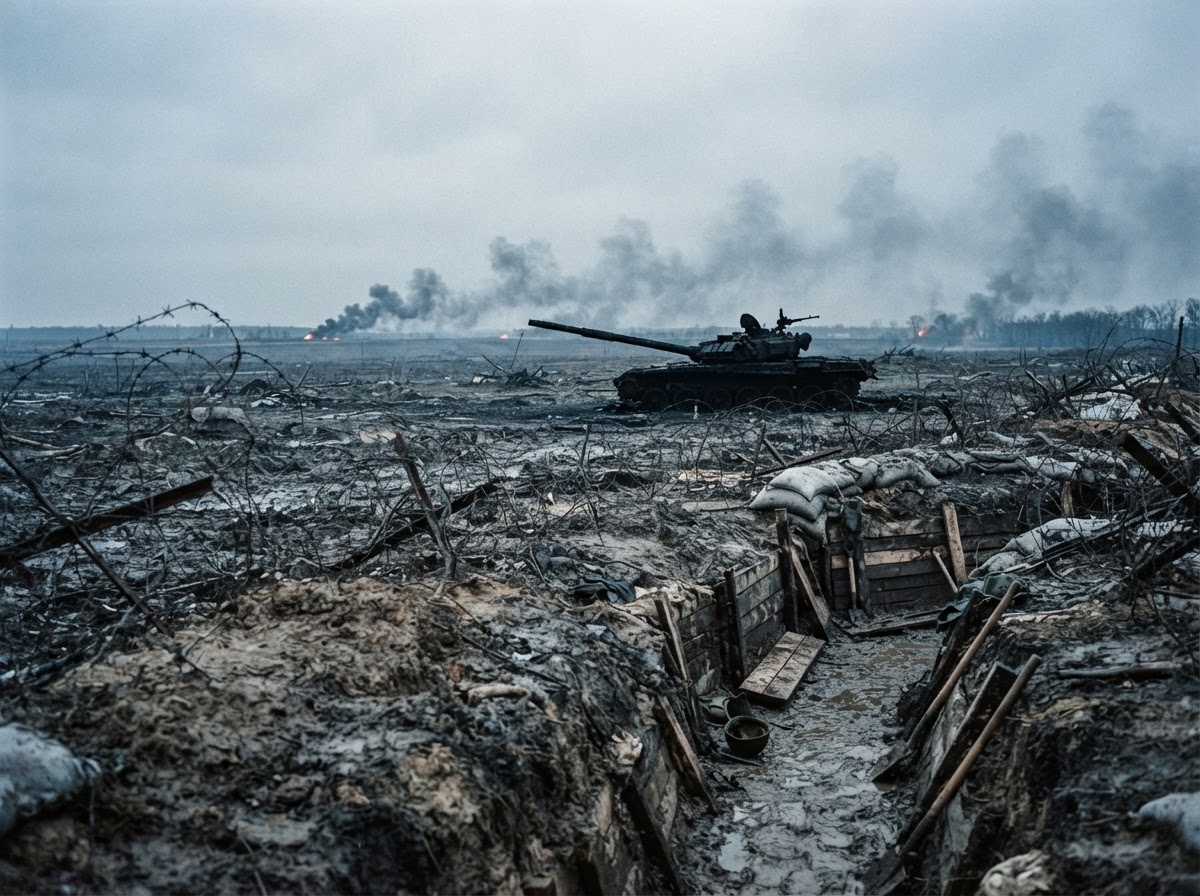
These are basically all the same story, and it's not good news. If these were the only reasons why wars were fought, then the average war would last a very long time. After all, resolving it would mean military defeat for one side. Either the attacker is defeated and can no longer capture the good, or the attacker captures the good and militarily defeats the other side to the point where the defender can no longer try to retake it.
It's possible that this might happen between Ukraine and Russia, but it will only go one way. Ukraine, as plucky as it has been for the last three months, simply does not have the manpower to invade Russia and destroy all of its military power. Russia may have the ability to do that to Ukraine, however. But even then, that seems unlikely given the struggles Russia has had with its Kiev offensive. And indeed, military defeat is rather uncommon in wars, occurring in only about a third of them.
Changing Preferences and Leadership
The other way the war can end as a result of the substantive causes is an underlying change in preferences. Basically, the causes just cease to exist. It's unlikely Zelenskyy is going to suddenly decide that parts of Ukraine are no longer something he is interested in. It's also unlikely that Putin is going to suddenly decide that parts of Ukraine are no longer something that he is interested in.
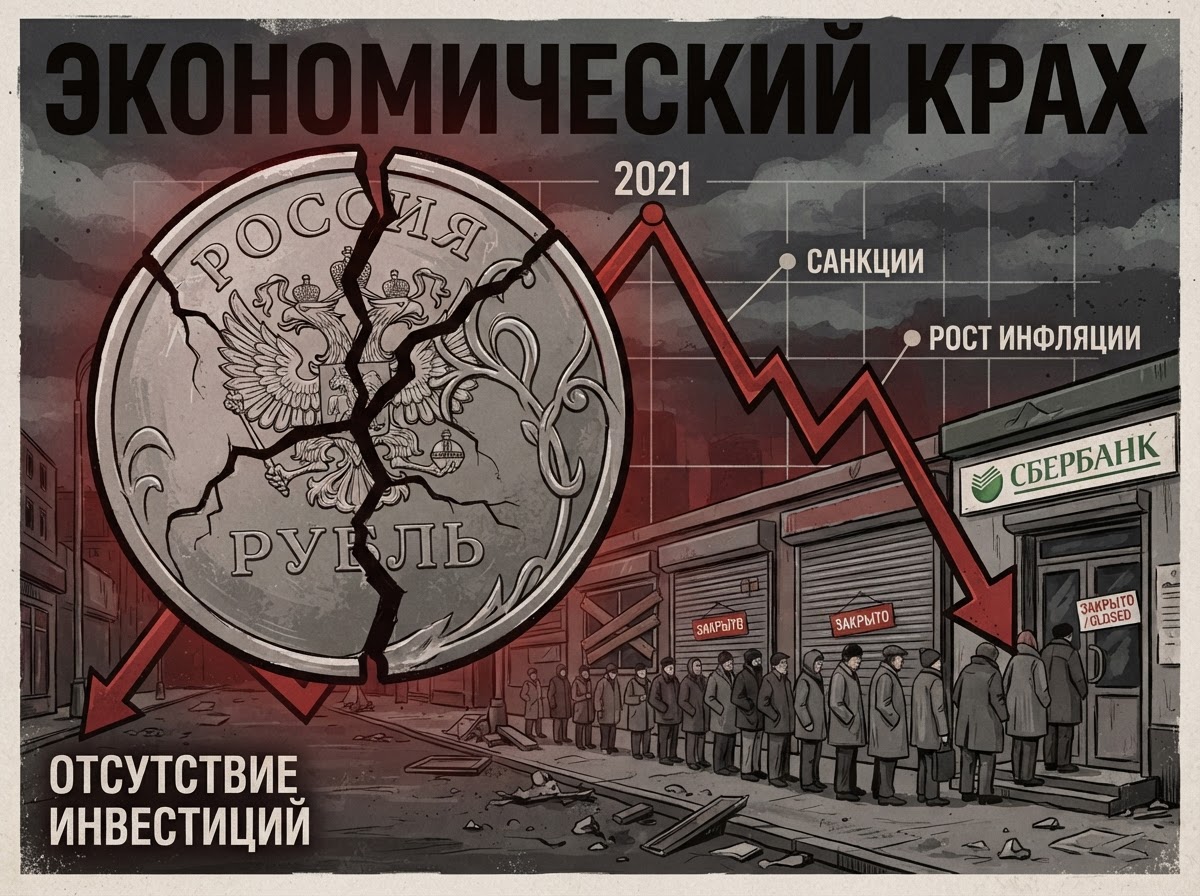
What is more plausible is that Putin is forced out. This is part of the US strategy to influence the outcome of the war. Sanctions will eventually cause problems with Russia's ability to physically continue the fight. But the direct economic damage to the Russian economy is designed to incentivize challengers to Putin's control over the country.
One way this could occur is through a popular uprising. However, because of the rally-round-the-flag effect, this is unlikely in the short term. That said, some projections in 2022 predict a greater than 10% recession for the Russian economy that year. That type of lagging indicator will change minds. The progress of the war can also have an effect. It appears that the general public thinks that the special military operation has been successful so far. That might change as soldiers rotate home and share their firsthand experiences with friends and family. This is the same process that led to domestic turmoil during the Soviet-Afghan War from the 1980s.
For similar reasons, Putin could face a coup from someone deep inside the government. There are a handful of hurdles here, too, Putin's current popularity among the masses being at the top of the list.
One final possibility that has nothing to do with the war itself is that Putin could die of natural causes. Leaders can die of natural causes in the middle of a war, as Franklin Delano Roosevelt did.
In theory, it is possible that the new leader would simply not care at all about the issues at stake and withdraw from the war accordingly. Russia's departure from World War I following the October Revolution comes close to looking like that. But even then, their treaty with the Central Powers ceded the Baltic states and made Ukraine independent. Eventually, the Soviet Union would want those back.
How New Leaders Change the Bargain
Instead, the new leadership is altering the bargaining incentives. They might care less about the issues at stake or generally have higher costs of war. This can alter those incentives to allow for agreements to work that would not have worked previously.
New leaders also don't have their fates tied to the war. Thus, they can end unnecessary conflicts without worrying that they will lose power. This solves the personal benefits problem that can otherwise kill a settlement. With the costs being back to positive for both sides, the parties can reach a deal. For example, Richard Nixon could leave Vietnam because it was not his war. Lyndon B. Johnson owned the political responsibility for that conflict, and in fact, Nixon came to power as a result of Johnson's unpopularity from the war.
Removing the Source of a Power Shift
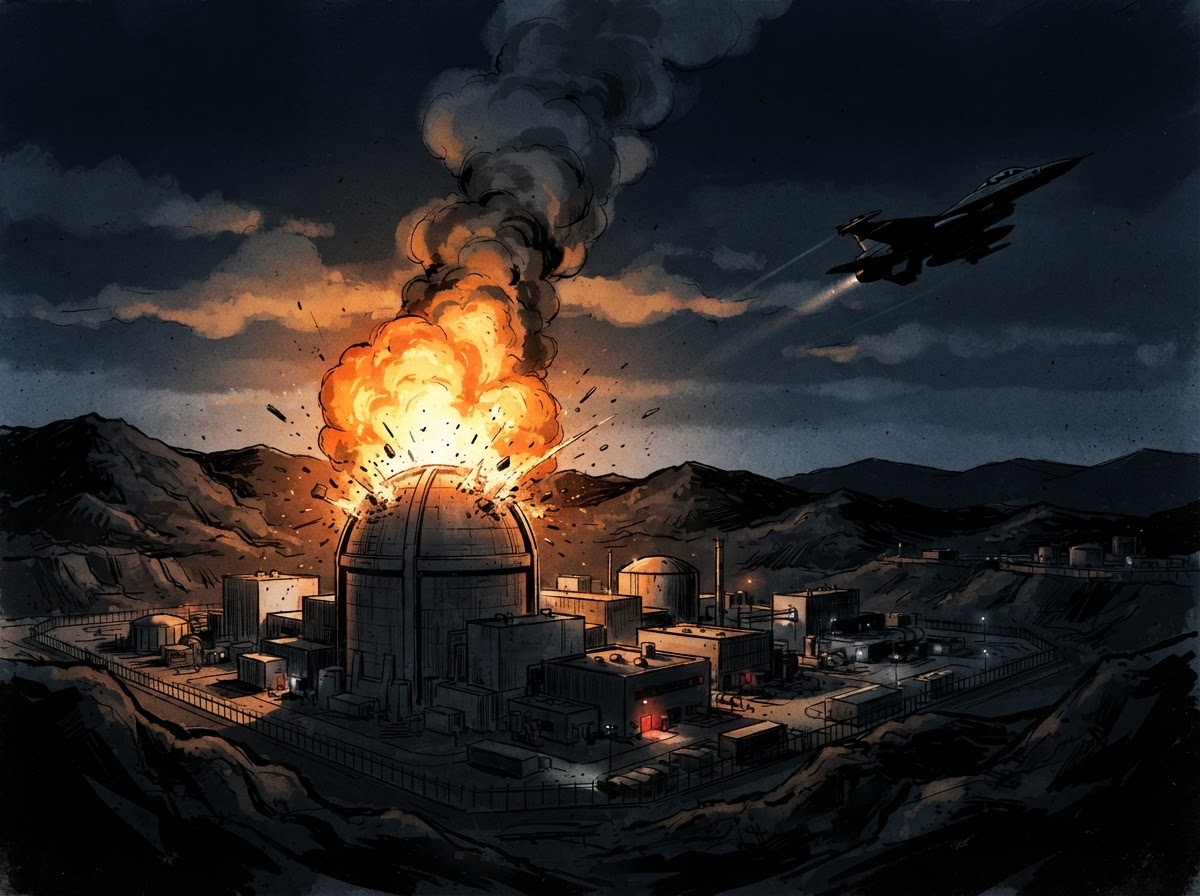
When it comes to bargaining problems more generally, you do not need a military defeat to end the war. For preventive motivations specifically, the cause of the war is a long-term shift in the balance of power. Thus, if you stop the source of the power shift and make tomorrow's balance the same as today's, you no longer need to worry about the future. Israel, for example, did not feel the need to fight full-length wars against Iraq in 1981 or Syria in 2007. They simply bombed those countries' nuclear facilities and went home, satisfied that they could no longer be used as part of a potential nuclear weapons program. If Putin started the war because he was worried about Ukrainian entry into NATO, then the war should end when that is no longer a possibility.
What the Opening Campaign Suggested
Two key points over the last three months cast some doubt on whether preventive motivation provides a good narrative for the war. First, Ukrainian membership in NATO seems dead in the water at this point. NATO has a precondition that member states resolve their land disputes before joining the alliance. In fact, this precise policy is how Russia kept Georgia out. Putin simply invaded once Georgia started showing interest, and that ended the conversation.
The counterpoint here is that Russia might still be worried about the level of arms transfers the West gives to Ukraine, short of actual NATO membership. Continuing the war to a complete military conclusion would mitigate that.
On the other hand, Russia's current tactics do not indicate that that is what's happening here. The start of the war did look like that. It was a general invasion coming from the north, pushing east, and radiating outward from the south. But Ukraine repelled the attack on Kyiv. The eastern front stalled, and the southern front has mostly been pushed back to the Dnipro River.
If Russia were worried about the long-term capacity of Ukraine, one would expect a more general campaign focused on destroying more Ukrainian infrastructure. Instead, the focus since the beginning of April has been sealing the land bridge along the Sea of Azov. This has destroyed the infrastructure in the area, but not elsewhere.
There is still one way to rationalize this on preventive grounds. Russia might recognize that there will be some unavoidable long-term military buildup in Ukraine at this point. However, by fighting and taking territory now, Russia can install fortifications in the meantime that would counteract that buildup. This would mean that Russia will seek to end the war once Putin believes he has a strip of territory that is defendable, regardless of upcoming Ukrainian/Western interactions.
Learning Through War and the Path to Negotiation
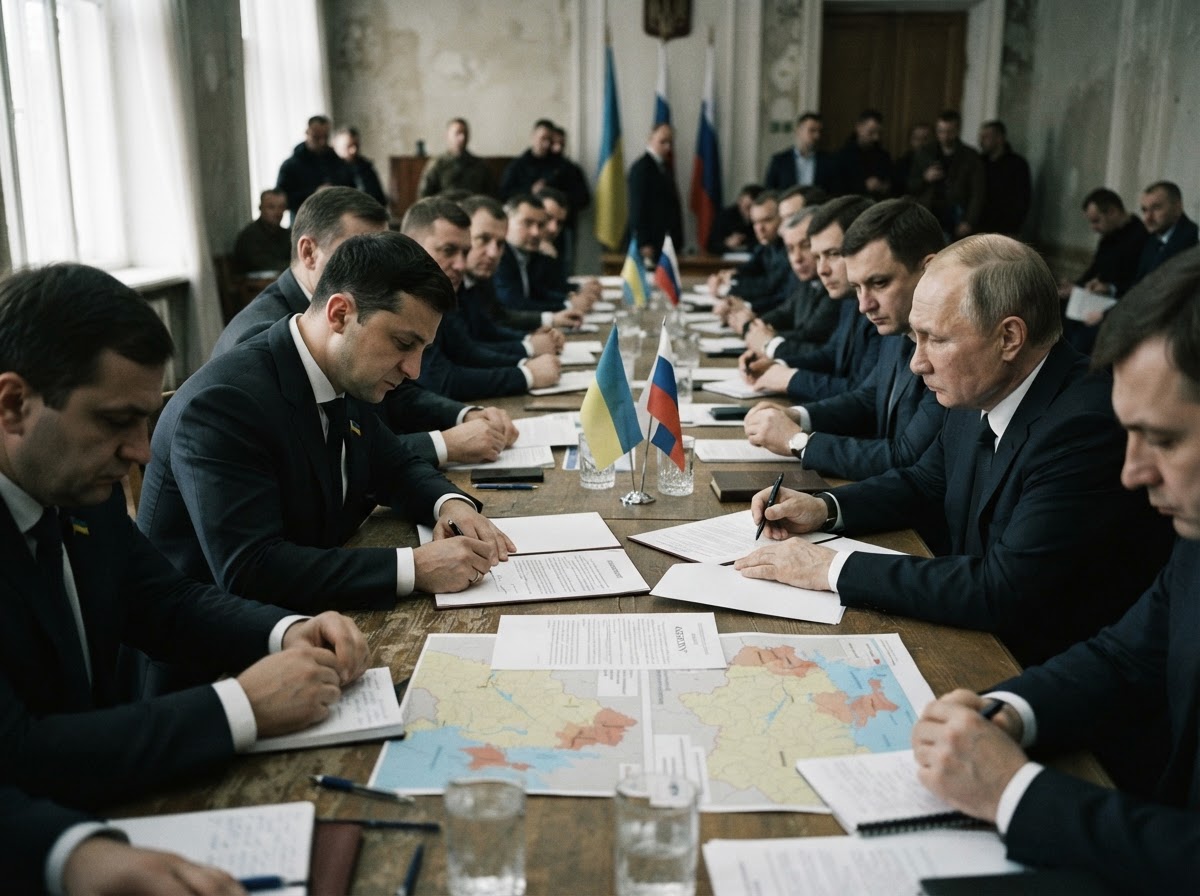
Finally, we can look at the end of the war from an informational perspective. If uncertainty causes a war, that war should end once the source of the uncertainty is gone. Russia and Ukraine may begin with different beliefs about the distribution of military power. Fighting can reveal the actual balance to both sides. Once they also account for the costs of war, they can recognize a range of settlements that both should prefer to continued fighting. This learning process is known as convergence, and it is perhaps the main reason why so many wars end in a negotiated settlement.
If the war ends soon, convergence is the most plausible interpretation for what happened. Putin seemed to think that the war would be straightforward. The Russian military would dominate the Ukrainian military. Ukrainian citizens would welcome the invasion, and that the northern deployment could easily waltz into Kyiv. The first six weeks of the war proved how wrong those beliefs were. From a convergence perspective, this seemed like a plausible time for the war to end.
However, Russia switched tactics and turned its force exclusively to the area around the Sea of Azov. That's a new type of battle and perhaps a new disagreement over what the likely outcome will be. However, very little territory is exchanging hands at the moment. That's a good indicator that not too much is left to learn, which paves the way for negotiations to be fruitful.
Uncertainty About the Months Ahead
“If that is where the uncertainty is, then the learning process will take longer to complete, and the fighting will go on.”
One caveat here is that the source of uncertainty may not be what is happening right now, but rather what will be happening six months from now. Can Ukraine successfully convert its citizens into a full-fledged fighting force? Ukraine might think so, but Russia might be skeptical.
Will Western support remain strong, or will it peter out as the news headlines move on to whatever new disaster is happening in the world? Again, the West might anticipate continued strength, but Russia might not. If that is where the uncertainty is, then the learning process will take longer to complete, and the fighting will go on.
Continue the Series
More from this multi-part investigation. Read the parts in order for the full picture.
 Analysis
Understanding the War in Ukraine — Part 1: The Disputes Behind the War
An analysis from the opening months of the 2022 invasion — seven substantive issues that help explain what Russia and Ukraine are fighting over, from separatist regions and a land bridge to Crimea to energy, water, and the denazification claim.
Read part Analysis
Understanding the War in Ukraine — Part 2: Why Disputes Alone Do Not Explain War
An analysis from the opening months of the 2022 invasion — territory, energy, and autonomy are at best half-causes of war. To understand why fighting happens at all, we need a bargaining friction that blocks a negotiated settlement.
Read part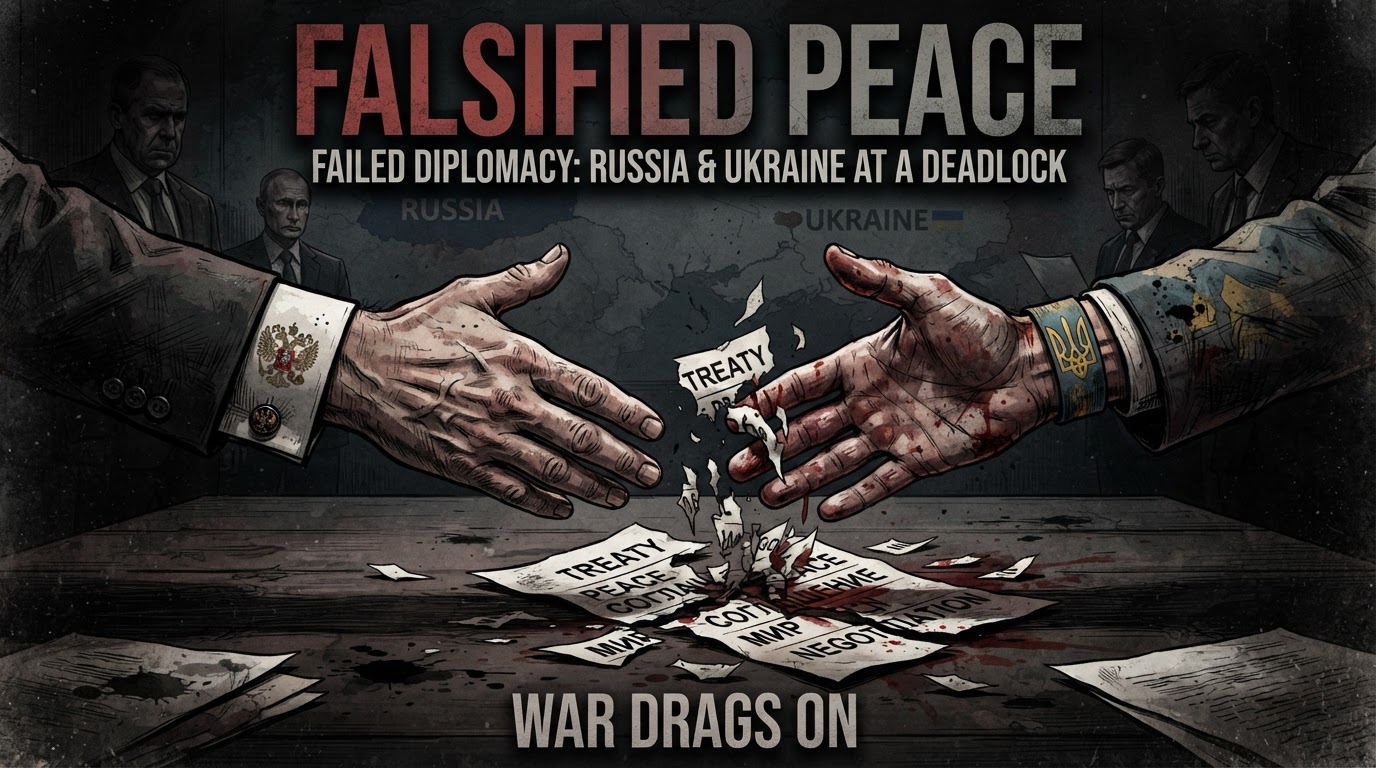 Analysis
Understanding the War in Ukraine — Part 3: Why Russia and Ukraine Failed to Reach a Deal
An analysis from the opening months of the 2022 invasion — to get war, we need both an issue worth fighting over and a bargaining friction that blocks a settlement. Preventive war, preemptive war, miscalculation, and political survival each help explain why no deal was reached.
Read partMore from the Front
 Military Tech
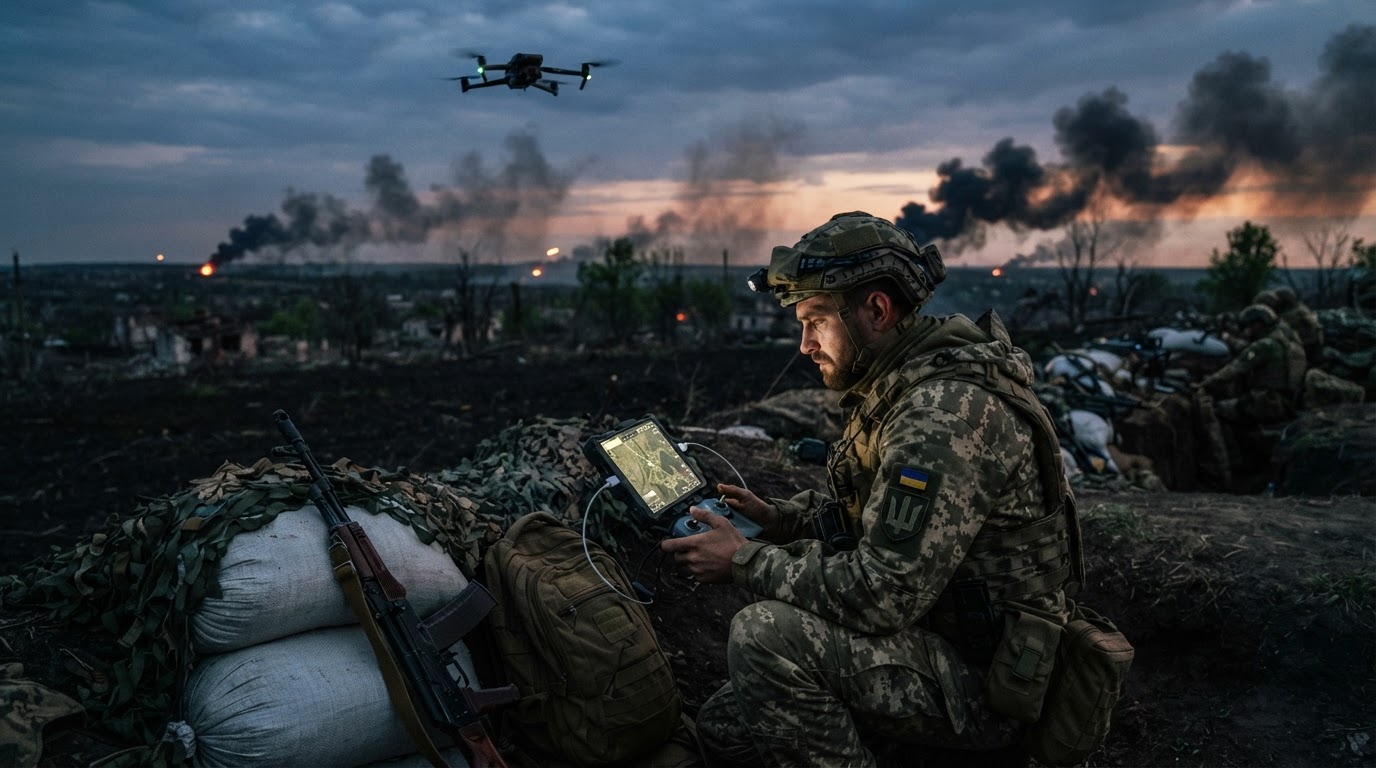
Air Power in the War in Ukraine — Part 1: How Drones and Glide Bombs Changed the War
From the era of the Reaper to industrial-scale quadcopters and Soviet glide bombs — how cheap, clever engineering reshaped the skies over Ukraine and overturned the assumptions of modern air warfare.
 Military Tech
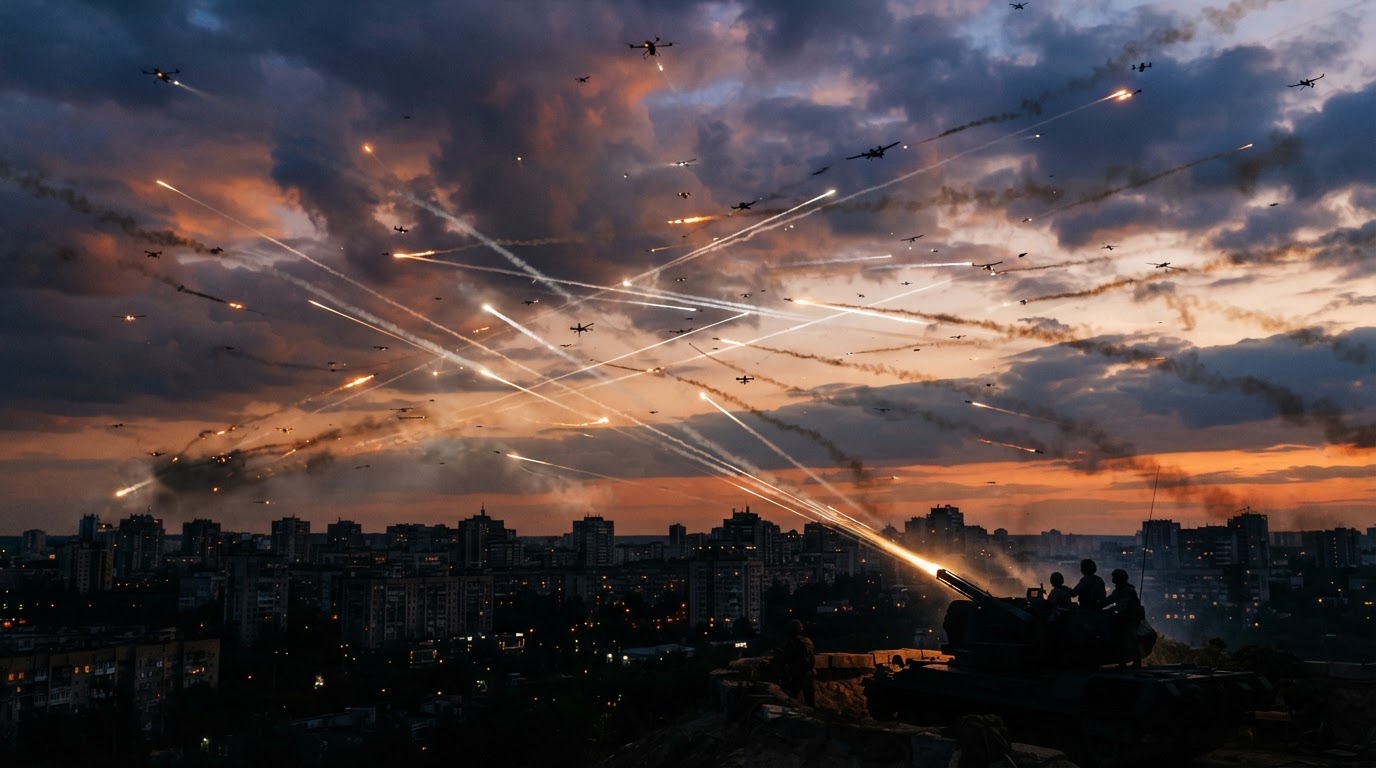
Air Power in the War in Ukraine — Part 2: How Ukraine Defends Its Skies and Carries the Air War Into Russia
From cell-phone Shahed detection networks to strikes on Russian oil refineries and Wildberries warehouses — how Ukraine turned cheap drones into a strategic campaign that reached deep inside Russia.
 Historical
The Rise and Fall of the Soviet Economy — Part 1: From Serfdom to Revolution
While the West crashed in 1929, the Soviet Union boomed — industrial output up 50% in five years, near-zero unemployment. But the roots of that miracle, and its eventual collapse, reach back to 14th-century feudalism, the Black Death, and a revolution that replaced one extractive elite with another.