
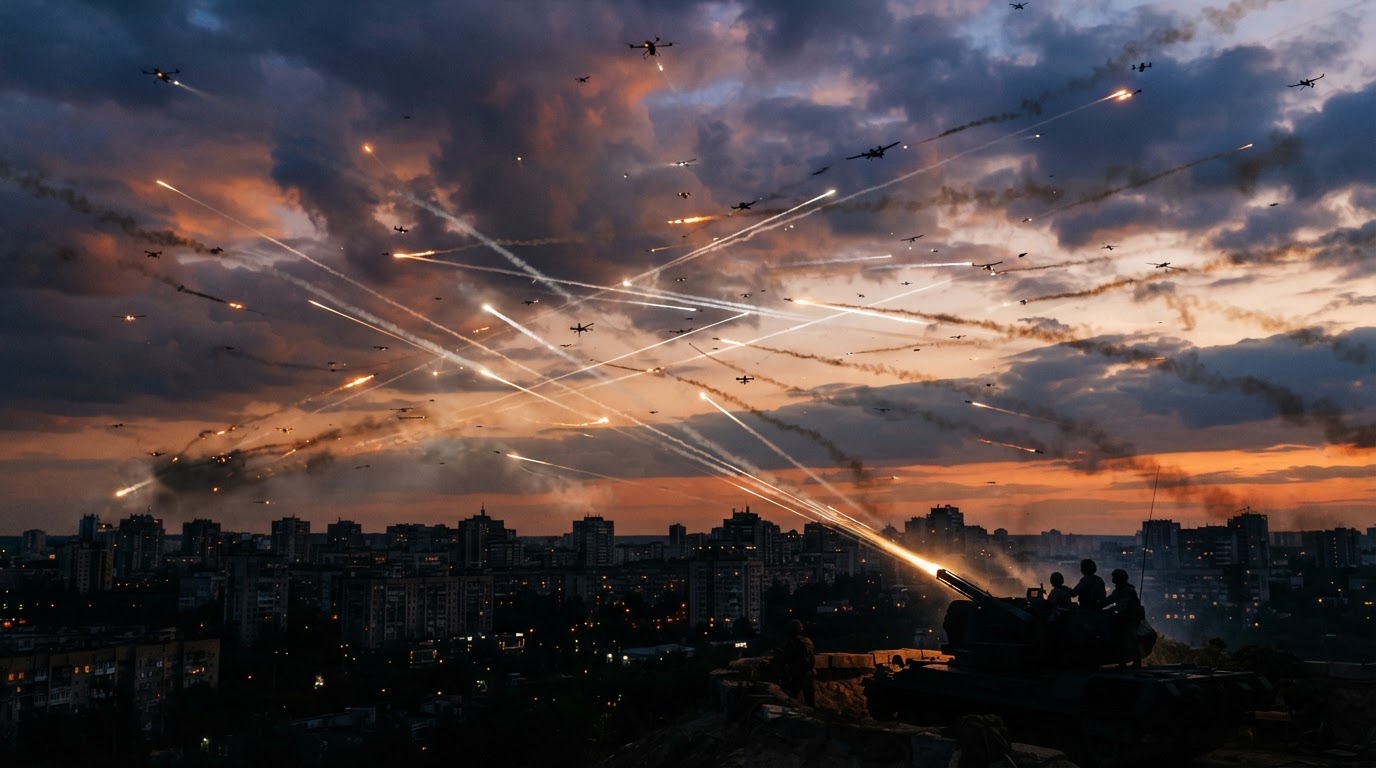
Air Power in the War in Ukraine — Part 2: How Ukraine Defends Its Skies and Carries the Air War Into Russia
From cell-phone Shahed detection networks to strikes on Russian oil refineries and Wildberries warehouses — how Ukraine turned cheap drones into a strategic campaign that reached deep inside Russia.
With glide bomb and Shahed drone bombardments becoming commonplace, Ukraine had to look for solutions. Moreover, they had to be cheap solutions because Russia basically viewed the warhead on the glide bomb as free, and Shaheds only cost tens of thousands of dollars.
Detecting and Intercepting Incoming Drones
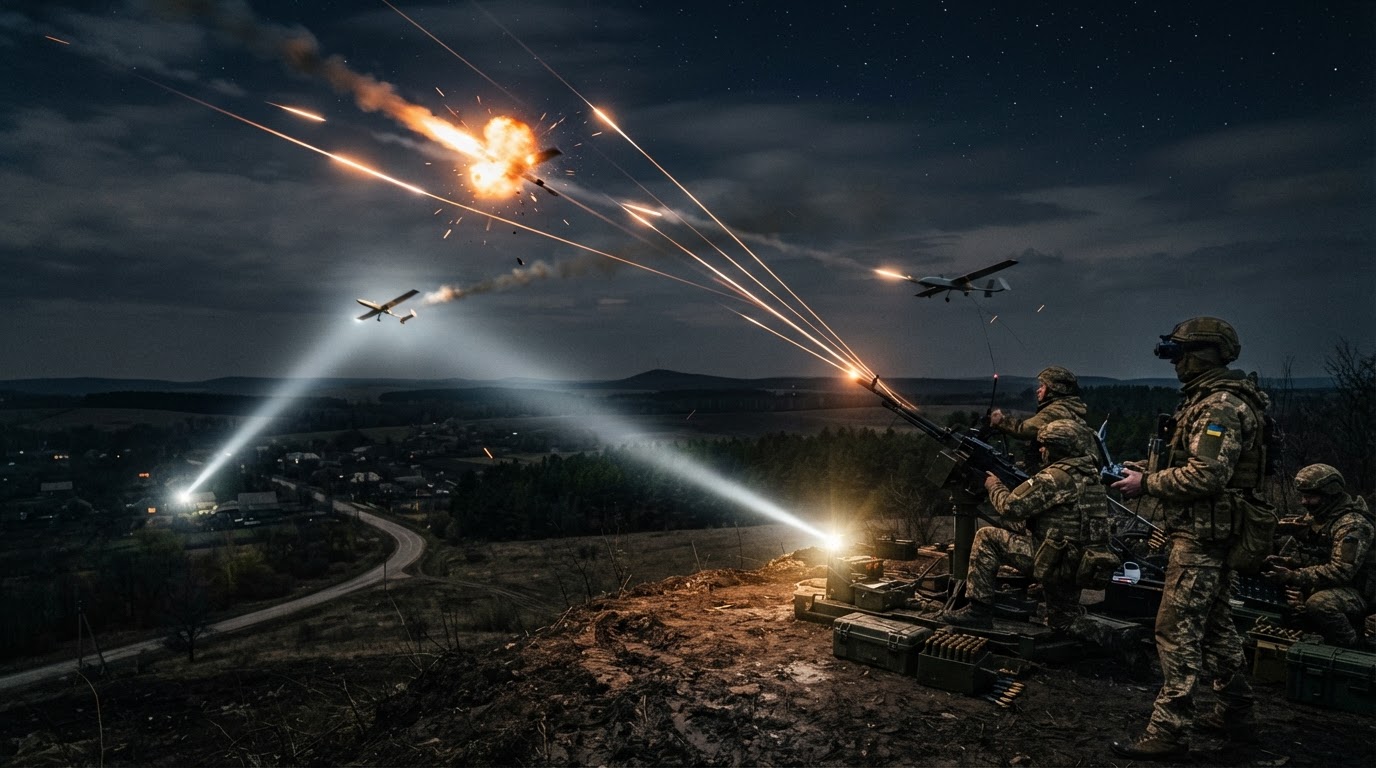
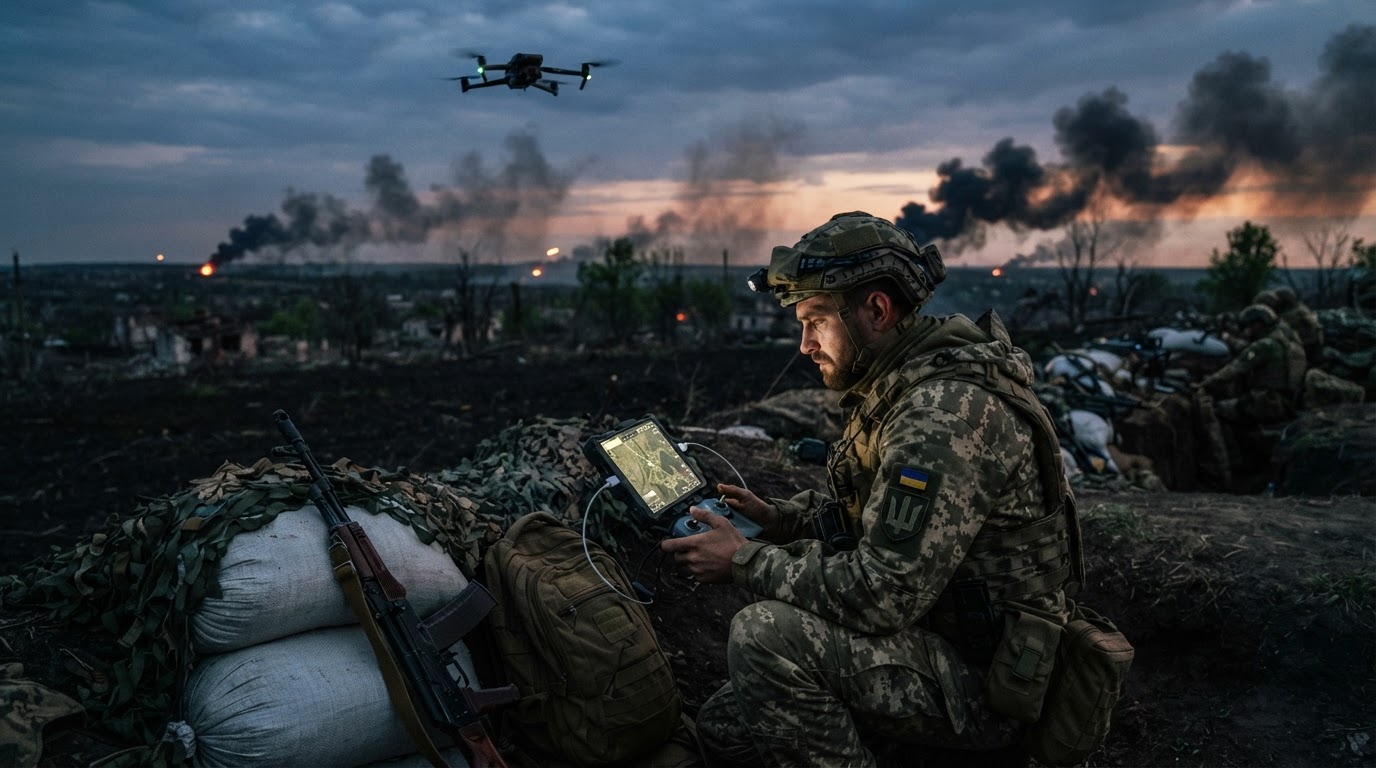
It did not take long for a template to form. It used a combination of standard radars, long-range radars from NATO AWACS planes flying on patrol, and even a dedicated network of cell phones always on and listening for the distinct sounds of Shaheds, which could then triangulate the locations and trajectories of incoming munitions. Once Ukraine identified an inbound strike package, interception teams could exploit a critical weakness in the Shahed system in particular. Speed, or more precisely, a lack thereof.
Standard Shaheds thrust forward with propellers. Ukraine can therefore use pared-down drones, also propeller-powered, to catch up to them. That is why Ukraine sees so much success in its Shahed shootdown percentage, often with claimed rates safely above 90%. Mobile teams in the field could pilot the interceptors. And as time progressed, Ukraine invested in developing AI targeting systems, so one person can be responsible for multiple interceptions simultaneously.
The Speed Advantage of Glide Bombs and Jet Powered Shaheds
There is a notable problem with faster-moving glide bombs, though. These interceptors do not have the speed to catch up to them. If the radars can get a trajectory, you only have one opportunity to direct a head-on interception. Otherwise, the glide bomb can safely watch the interceptor from its rearview mirror. Understanding that Shaheds had a weakness, Russia developed a countermeasure, introducing jet-powered Shaheds to its regular lineup in the summer of 2025.
At first, these models basically cut out the propeller and replaced it with a jet system. Later models were purpose-built for jet power. Either way, it put Ukraine in the same position. Interceptors had one chance, and the impact needed to be head-on. And sometimes even that was infeasible because the jet-powered Shaheds fly at higher altitudes. Interception rates for Ukraine dropped, but still stayed around 90%.
The Campaign Against Russian Oil Refineries
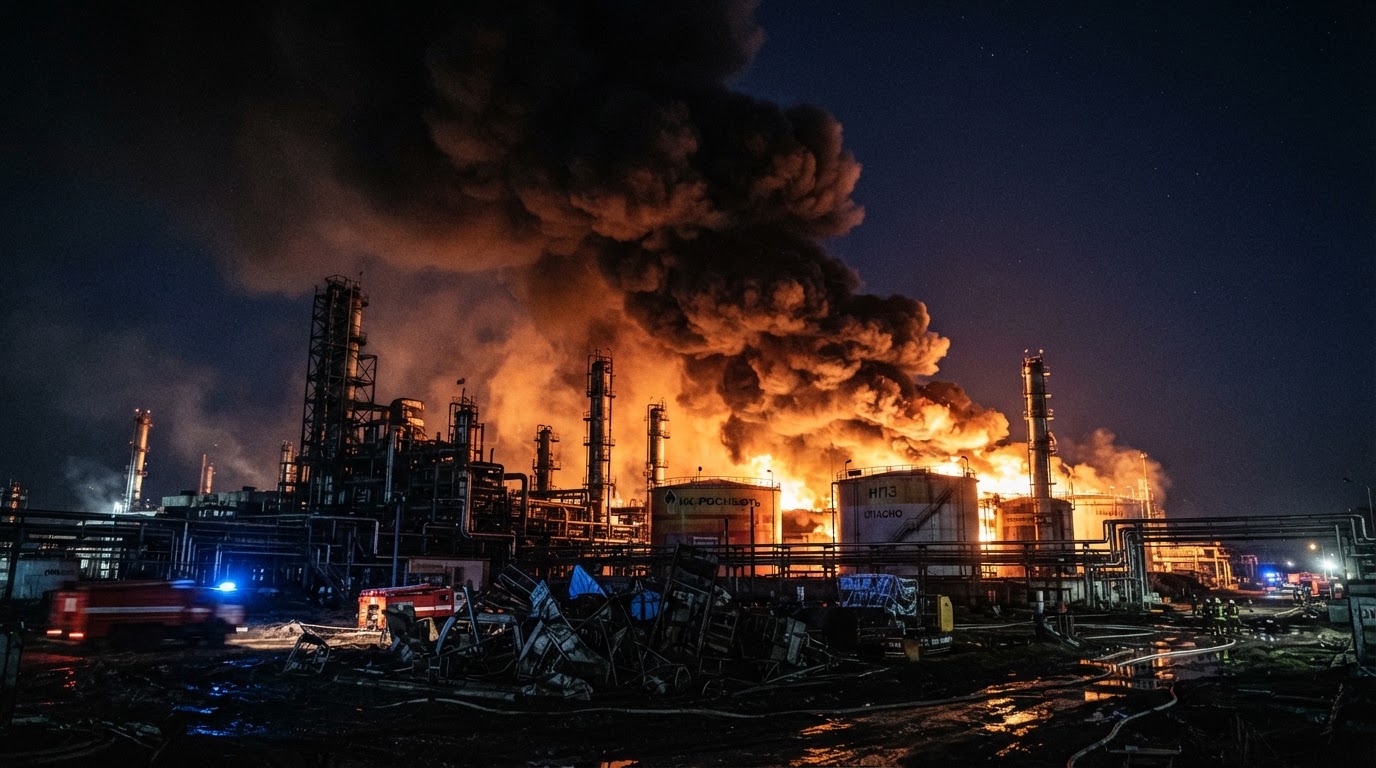
Ukraine's first serious campaign to strike back inside Russia did not begin until the end of summer 2025. The targets were Russia's high-value oil refineries. Sure, Ukraine had made an effort every now and then to strike a handful over the first three and a half years of the war. They are obvious targets. Russia funds its war effort through oil receipts, and refineries are high up on the oil supply chain. But there was no concerted effort to systematically disable the entire industry.
Ukraine's earlier problems were threefold. First, the Biden administration, fearing higher gas prices, strongly discouraged Ukraine from such a strategy. Second, to reach all but the closest refineries, Ukraine would have to evade a gauntlet of Russian air defenses, as opposed to just the air defenses sitting near the border. And third, Ukraine needed the actual hardware to travel those distances. The return of Donald Trump to the White House in 2025 solved the first two problems. Trump did not share Biden's qualms about the strategy.
And despite cutting arms donations to Ukraine, he extended intelligence sharing on the location of Russian air defenses. That also helped Ukraine attrit Russian air defenses, further simplifying the problem. Domestically, Ukrainian engineers improved their drone arsenal, eventually opening up all of Western Russia to attack. At first, Ukraine exploited the nature of the target. Its drones could only carry small payloads, so it helped when the target had its own fuel to burn. Hence, Ukraine targeted fuel storage tanks at those facilities.
However, the drone technology continued to improve, giving Ukraine more precision and more firepower to disable the refining process itself. At this stage, Russia's budget became a constant source of concern inside the Kremlin, with rumors that Putin was considering switching back to involuntary mobilization because the government cannot afford to keep paying recruitment bonuses.
Medium Range Drones and the Southern Supply Routes
By the beginning of 2026, Ukraine was developing a different kind of campaign. For years at this point, the ground game had been slow-moving but favorable to Russia. It was at the point where you could see a clear difference in Russia's accumulated gains over time, but not to the point that Ukraine as a country was in any immediate danger. Still, you could not continue that pace for years on end without forever altering the fate of Ukraine.
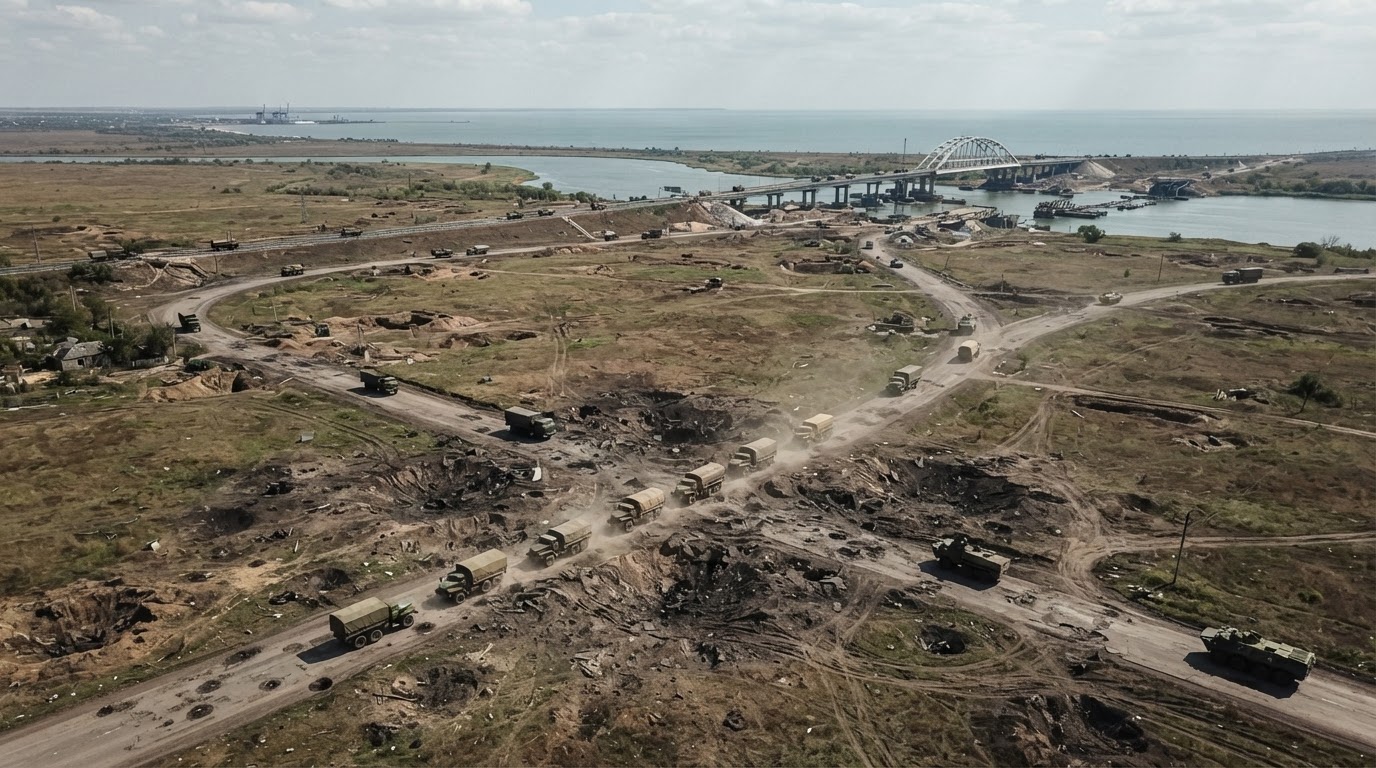
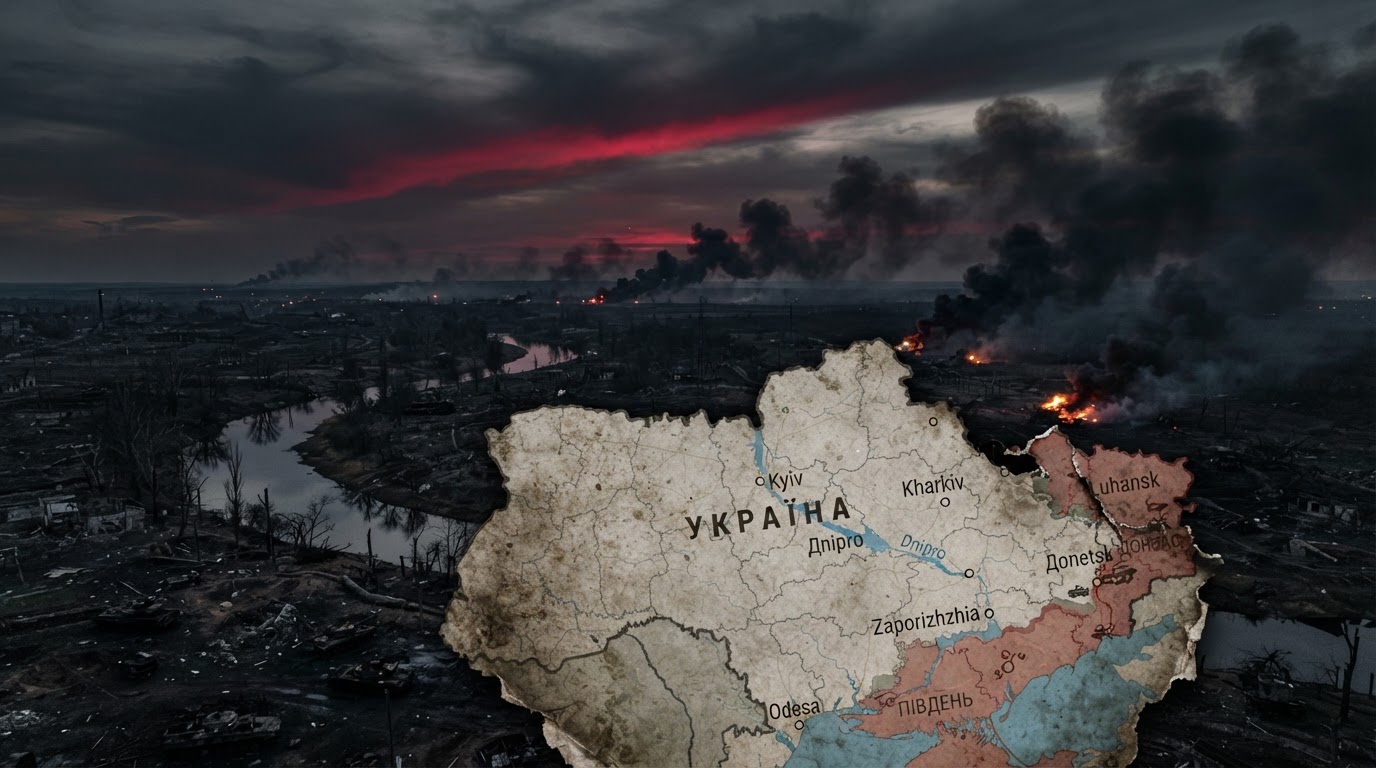
Whereas the refinery campaign relied on long-range drones with smart targeting, this time Ukraine's solution was the development of medium-range drones and, more importantly, the industrial saturation of them. Russia always faced a vulnerability in its southern tier of the front line. The occupied portions of Zaporizhzhia and Kherson are flanked by the Dnipro River to the northwest and the Sea of Azov to the southeast. For the portion of the front line just east of the hook in the Dnipro River, the only ways to get resupplied are through the land bridge that runs between Rostov-on-Don down to Crimea and via the Crimean Bridge that runs across the Kerch Strait on the eastern side of the peninsula.
Back in 2023, Ukraine had a plan to exploit this problem. Amass an army to drive a wedge down the Sea of Azov, blow up or otherwise disable the Crimean Bridge, then lay siege to the area south. The plan failed to get off the ground, though, as the Russian fortifications built the previous winter withstood Ukraine's assault. In 2026, however, Ukraine was ready to try a revised version of this strategy, now focusing on airpower to lay the siege.
There are only so many roads that connect the land bridge, especially the portion that separates the Crimean Peninsula. Ukraine bombed those roads repeatedly, leaving that section of Zaporizhzhia more vulnerable than it had ever been for Russia.
Why Net Territorial Changes Could Be Misleading
This may be the first time that airpower has been apparent in the territorial exchange data. February through August saw virtually no change in territory worth mentioning. Yet these data hide a more complicated story. While Ukraine pushed south, Russia continued to travel east to west along the northern section of the front line. The changes just offset each other, leading to a situation where not much seemed to be happening, and yet a lot was happening.
Expanding the Strike Campaign Inside Russia
Shortly after Ukraine started its mid-range logistics strikes, it also began to saturate internationally recognized Russia with other drone strikes. As has been the case before, this was a combination of a few factors. Ukraine, again, was improving its production capacity and drone design. As time progressed, Russia's air defenses only seemed to further thin out. But perhaps the key aspect of this phase was Kyiv realizing that a new type of target was vulnerable, and accepting the risk of blowback that could come with a strategy.
The early phase of the refinery campaign relied on Russia storing flammable substances nearby. All Ukraine had to do was light a match, and parts of the facility would destroy themselves. Now, this feature might seem unique to the energy industry, where the whole business model is to create things that explode. Yet the strategists in Kyiv found a surprising second option: warehouses.
Why Wildberries Warehouses Became Targets
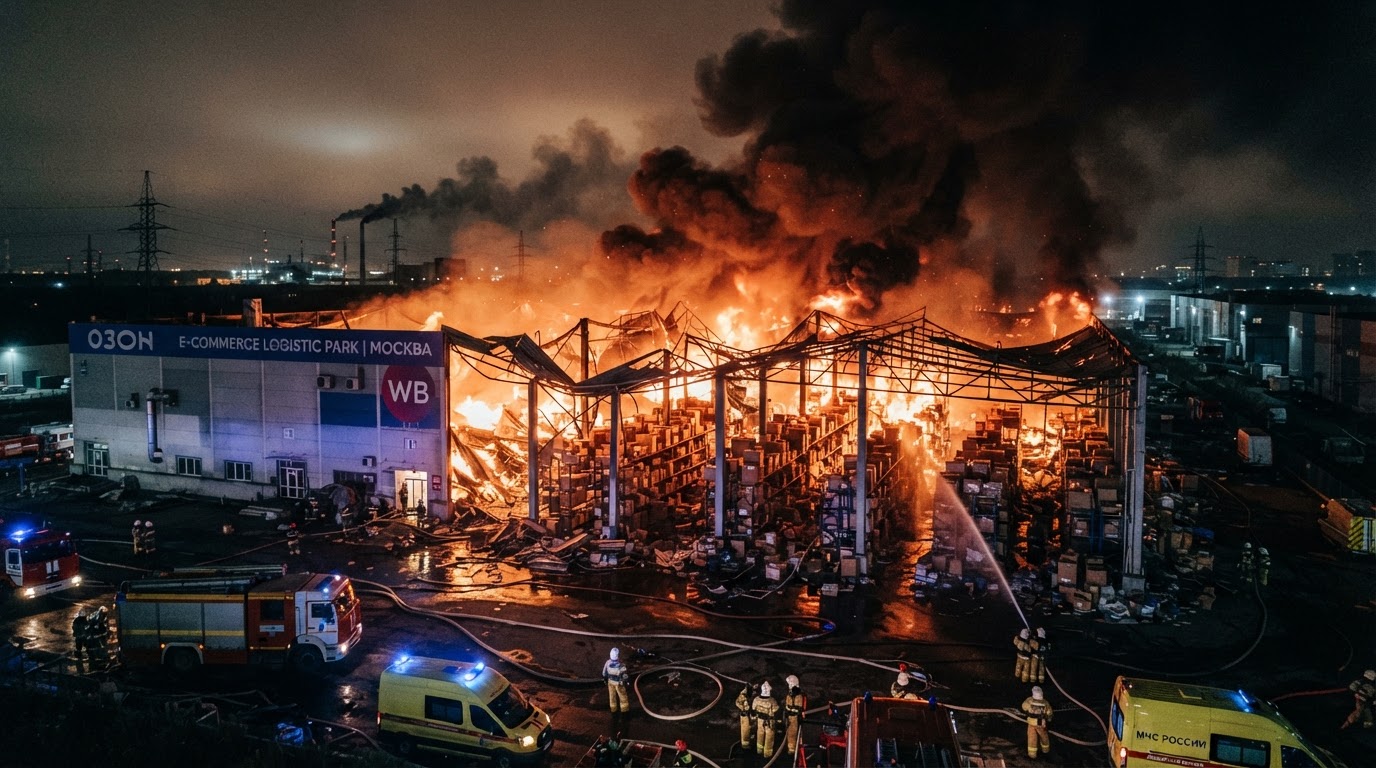
Wildberries is often described as Russia's version of Amazon. The comparison is apt because the company handles the storefronts and centralizes delivery logistics for a ton of Russian businesses. Unlike Amazon, Wildberries directly sells few products itself. Well, it turns out that the Wildberries fulfillment centers are gigantic, full of cardboard and batteries, and not equipped with fire suppression systems that can handle a catastrophic failure. Ukrainian drone manufacturers therefore sought systems capable of penetrating the warehouses and starting fires. The warehouses' contents would then fuel the damage.
The Gamble on Western and Russian Public Opinion
Unlike the refinery campaign, Ukraine had to think through what public opinion would make of the new strategy, both to Western audiences and Russian audiences. After all, Wildberries was a civilian company. This was not a state-owned enterprise directly funding the war effort. The Western half was less of a gamble. On the surface, Ukraine claimed that Wildberries was a valid target. It sold many dual use goods, and some items for sale were branded as special military operation approved. And it is true that Wildberries fulfilled orders that would eventually reach the front lines.
Ultimately, though, Western leaders and publics were uninterested in the nuance of proportionality. Civilian companies in Ukraine had been the target of so many Russian attacks over the years, that Wildberries, as far as they cared, was fair game. On the other hand, Kyiv was gambling on Russian public opinion. There could be no doubt that eradicating Wildberries facilities would upset the average Russian. The question is, who would the average Russian be upset with? Would it be the Kyiv regime for actually committing the attacks? Or would it be the Kremlin for having started an invasion that led to this?
The answer, it turned out, was to be more angry at the Kremlin than Kyiv. There would be no rally-round-the-flag effect, and Putin found himself with another political and economic problem on his hands.
Warehouse Losses and Airport Disruptions
By mid-August, Ukraine had destroyed almost 30% of Wildberries' total warehouse space. Running out of large warehouses to target, Ukraine shifted its focus to Wildberries' main competitor. Air defense strategists in Moscow simply had no ability to provide adequate coverage to all of the targets that Ukraine could now strike. Drones were so saturated over Russia that Moscow's airports routinely had to pause flight traffic out of fear that airliners could get caught in the crossfire.
Zelenskyy even began to make overt threats at Russia's airports, including a declaration that he decides whether they stay open. At that stage, Ukraine had not yet followed through on any of those threats.
The Ballistic Missile Defense Crunch
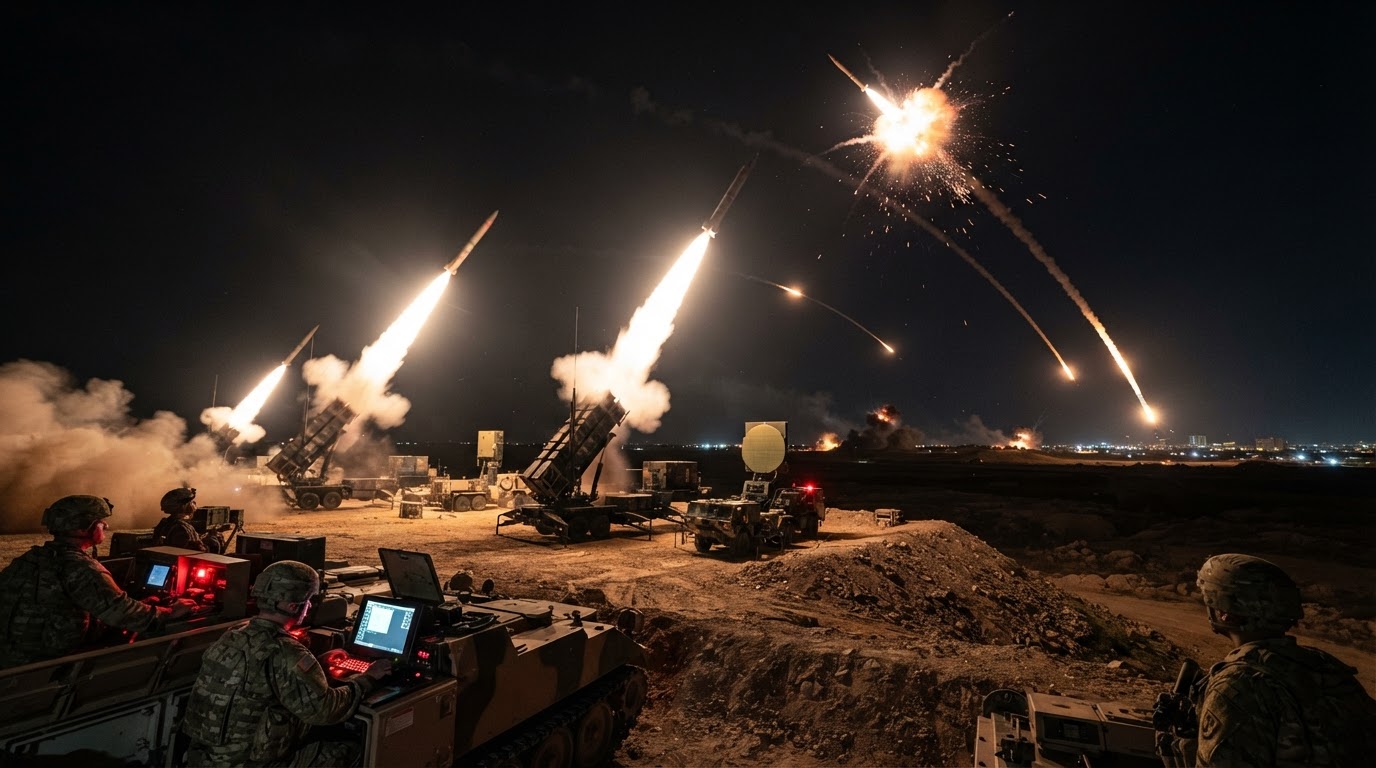
Not everything was going well for Ukraine during this period. From the beginning, and while Russia pelted Ukraine with glide bombs and Shaheds, ballistic missiles were also a part of the spread. They come with the benefit of packing a larger punch and being harder to intercept. But they are substantially more expensive to produce. For the majority of the war, Ukraine's counter-strategy was to defend key targets with US-produced Patriot interceptors, and just accept that a handful would inevitably go through.
By May 2026, though, the problem had become acute. The United States had fought Iran for two months by this point, with Patriot systems working overtime to protect US bases in the Gulf region. The result was a global shortage of interceptors. Whereas before Ukraine could expect a slow trickle of interceptors to come in over time, the spigot suddenly turned off. Meantime, Russia recognized that ballistic missiles had the highest success rate of its air systems, and thus expanded production.
The result was a new vulnerability for Ukraine in 2026. Ballistic missiles can hit their targets, and mostly Ukraine's response is to clean up the damage. The prospect of winter brought the threat of new pressure on the country, as simply keeping everyone warm returned as a central problem for the capital. Still, that is a substantially better position than the bets that Ukraine would not even make it to the war's first winter, never mind through the end of March 2022.
Continue the Series
More from this multi-part investigation. Read the parts in order for the full picture.
More from the Front
 Analysis
Understanding the War in Ukraine — Part 1: The Disputes Behind the War
An analysis from the opening months of the 2022 invasion — seven substantive issues that help explain what Russia and Ukraine are fighting over, from separatist regions and a land bridge to Crimea to energy, water, and the denazification claim.
 Analysis
Understanding the War in Ukraine — Part 2: Why Disputes Alone Do Not Explain War
An analysis from the opening months of the 2022 invasion — territory, energy, and autonomy are at best half-causes of war. To understand why fighting happens at all, we need a bargaining friction that blocks a negotiated settlement.
 Analysis
Understanding the War in Ukraine — Part 3: Why Russia and Ukraine Failed to Reach a Deal
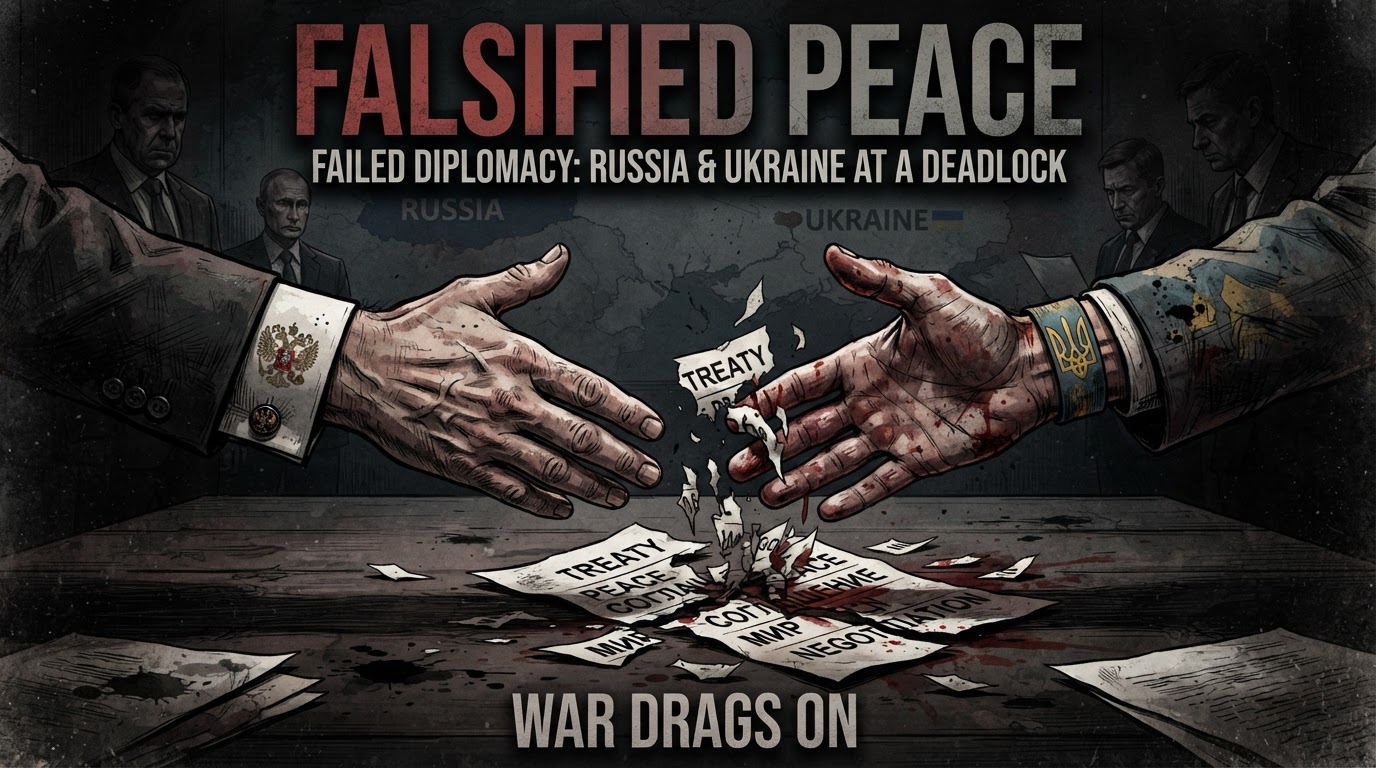
An analysis from the opening months of the 2022 invasion — to get war, we need both an issue worth fighting over and a bargaining friction that blocks a settlement. Preventive war, preemptive war, miscalculation, and political survival each help explain why no deal was reached.