Ukraine and the Long Fight for Independence
To understand the catastrophe in Ukraine, it is essential to have some historical and political context — from the Holodomor to the 2022 invasion, a century-long struggle for sovereignty.
To understand the catastrophe in Ukraine, I think it's really important to have some historical and political context.
Ukraine is the second largest country in Europe by area. Before the full-scale invasion in 2022, it was home to over 40 million people. Ukrainian is the first language of about two-thirds of Ukrainians, and Russian is the first language of about 30% of Ukrainians. Russian is most commonly spoken in the east and the south of the country, but language is not nationality.
The Ukrainian Republic and Soviet Rule
Ukrainian history and cultural identity stretches back a very long time, but its history as a nation state really begins, like a lot of countries, in World War I. Beginning in 1917, Ukraine was, for a time, an independent nation called the Ukrainian People's Republic, which is seen as the forerunner of modern Ukraine.
But the borders and even the existence of this new country were always contested. From 1917 to 1921, there was a war between the Ukrainian People's Republic and the Bolsheviks, who were just coming to power in Russia.
In January of 1919, just after the end of World War I, the Bolsheviks invaded Ukraine in full force and eventually defeated the Ukrainian People's Republic, among other factions. Ukraine became one of the Soviet Socialist republics of the new Union of Soviet Socialist Republics.
One of the generals who led that Bolshevik invasion of Ukraine was Joseph Stalin, who cemented himself as leader of the Soviet Union in 1929. Stalin wanted to crush any Ukrainian independence movements, which for him also meant discouraging Ukrainian language and cultural identity through a variety of strategies, many of them horrific.
Stalin and the Holodomor
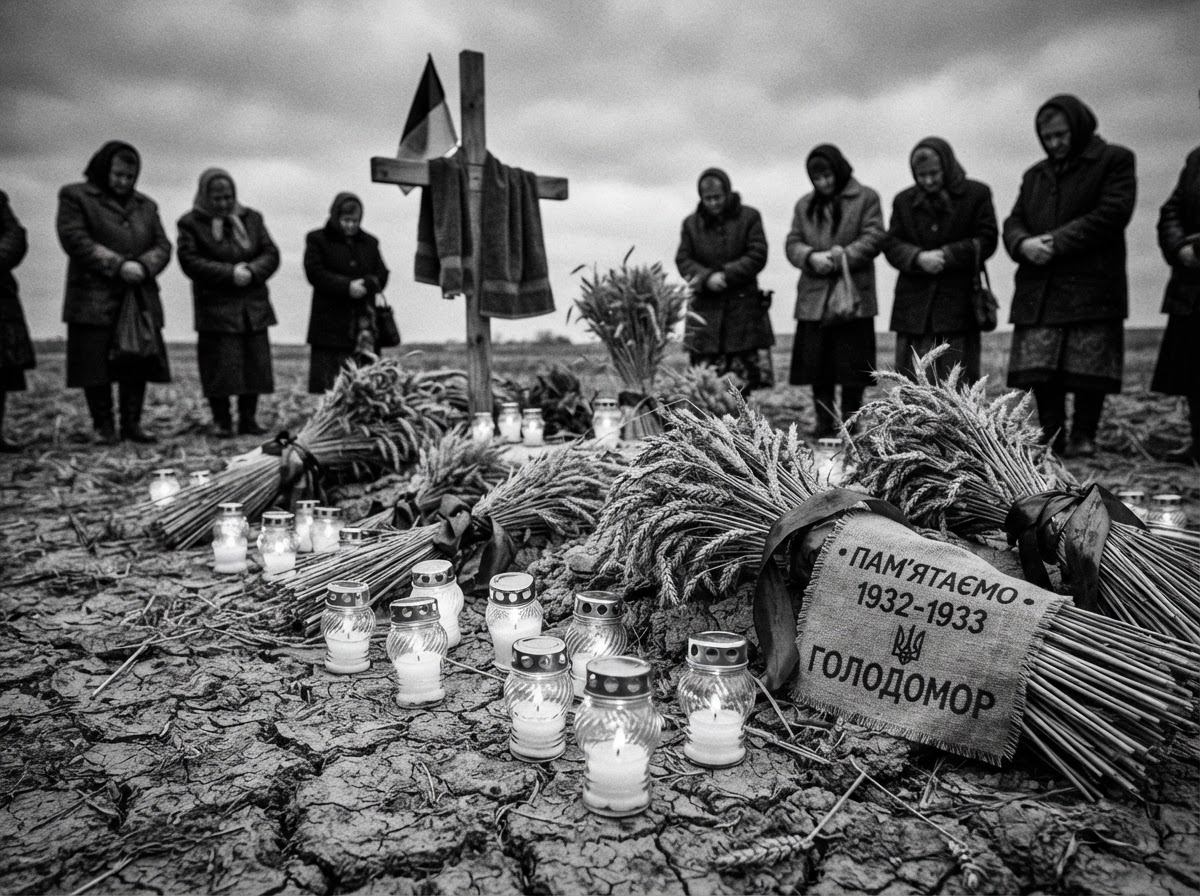
In 1932 and 1933, millions of Ukrainians starved to death because of Stalin's agricultural policies, wherein food was taken from Ukrainian homes and Ukrainian fields and sent elsewhere in the Soviet Union, especially to industrial centers. This period is known in Ukrainian as the Holodomor.
It is sometimes known in English as the Terror Famine, to emphasize that it was not the result of blight or weather, but of human choice. The Stalin regime knew what it was doing. These policies were designed to punish Ukrainian peasant farmers who were seen to be resistant to Stalin's ideal of the Soviet Union.
It is hard to overstate the horrors of the Holodomor. Perhaps one out of every eight Ukrainians died in a two-year period.
Forced Deportation and Its Lasting Effects
Another Stalin-era policy that continues to reverberate was forced deportation. Because Stalin wanted to discourage independence movements, he forcibly moved millions of people. Almost the entire indigenous population of Tatar people were forcibly deported from their home in the Crimean Peninsula.
Many Ukrainians were forced to leave Ukraine, including for prison camps in Siberia, and many Russian people were moved against their will to various areas of the Soviet Union as well, including Ukraine. This had a significant lasting effect on the ethnic, cultural, and linguistic makeup of a huge swath of Eurasia from Lithuania to Kazakhstan.
During the first weeks of the 2022 invasion, many Ukrainians felt there were parallels between that Stalin-era policy and what the Putin regime was doing in Ukraine. Putin had repeatedly attacked humanitarian corridors people were trying to set up to allow safe passage of civilians from besieged cities into Western Ukraine or other countries in Europe.
“I will guarantee your safety if you come to Russia.”
But Putin had said, “I will guarantee your safety if you come to Russia,” basically saying you could not stay safely in Ukraine and you could not go west, but you could come to Russia, which felt to a lot of people fairly close to forced movement.
Independence in 1991
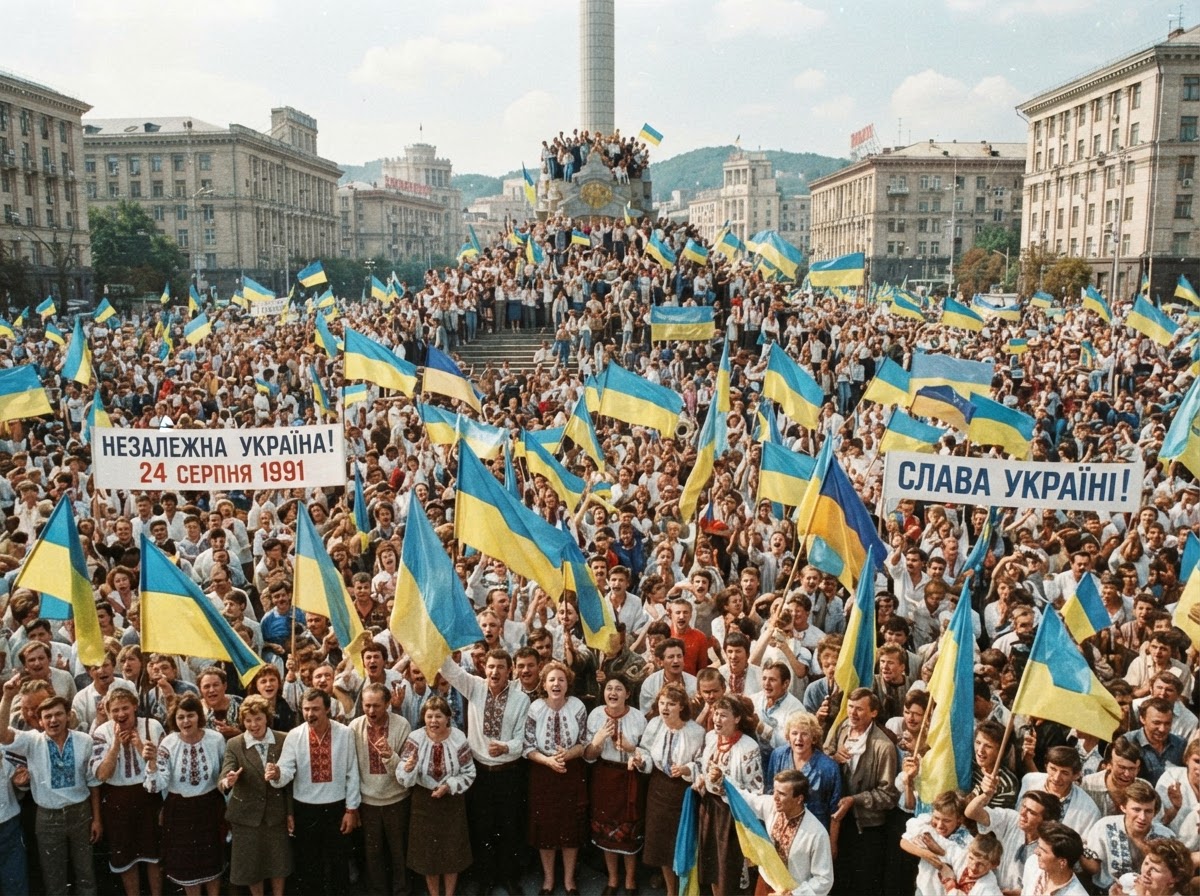
In 1991, when the Soviet Union was breaking up, Ukraine held a referendum to vote on whether to become an independent nation, and 92% of people voted for independence. In every region of Ukraine, a majority of people voted for independence. Ukraine has been a globally recognized independent nation since then.
Independence is complicated in a global world, especially when the name of your country literally means borderlands, as Ukraine does. Partly due to cultural and historical connections, like millions of Ukrainian people having family in Russia, and partly because of economic necessity, Ukraine has had to maintain somewhat close ties with Russia while also trying to remain a country.
Energy and Russian Influence
Economically, Ukraine has been in a complicated relationship with Russia for the same reason the rest of Europe has been, which is that Russia has a lot of oil and natural gas. Fossil fuels amounted to about 60% of Russia's exports in 2019. That figure is similar to Iran or the UAE.
Ukraine has been very reliant on imports of Russian energy sources, not least because at times those imports have been heavily subsidized by Russia to try to curry favor and influence in Ukraine.
Putin and Ukrainian Sovereignty
For a country like Ukraine, it is really difficult to have a good relationship with Russia because Russia's leader, Vladimir Putin, has long maintained that Ukraine should never have existed.
By the 2022 invasion, Putin had directly or indirectly been the leader of Russia for over 20 years. He did not view Ukraine as a legitimate nation. Putin has written repeatedly that he believes Ukraine is lacking in real statehood and that Ukraine was created entirely by Russia. He thinks all Ukrainians should speak Russian and understand themselves to be part of what has historically been Russian land.
Despite the talking points in Putin-friendly media, Putin himself has repeatedly acknowledged what this war is about. He does not believe Ukraine is a legitimate nation, and he believes, “The true sovereignty of Ukraine is possible only in partnership with Russia.”
This is certainly not about, as some have claimed, the protection of Ukrainians who speak Russian as their first language. In fact, in the first two weeks of the war, thousands of such civilians were killed by Putin's regime. It is not about denazification of Ukraine, a nation with a democratically elected Jewish president.
While I don't doubt that Putin feels pressure from the NATO military alliance, and I don't want to minimize the complexities there, I simply don't think it makes Russia more safe to have Russian soldiers closer to NATO missiles.
This is primarily about what Putin has said it is about. He believes that when the borders of Ukraine were drawn, Russia was robbed, and he is seeking to rectify that perceived injustice through violence, including the mass killing of civilians and the destruction of infrastructure that serves them.
Just before the invasion, Putin addressed Ukraine by saying, “Whether you like it or not, take it, my darling,” which was widely recognized to be a quote from a song about sexually assaulting a corpse. Vladimir Putin told the world what he was going to do.
The Human Cost of the 2022 Invasion
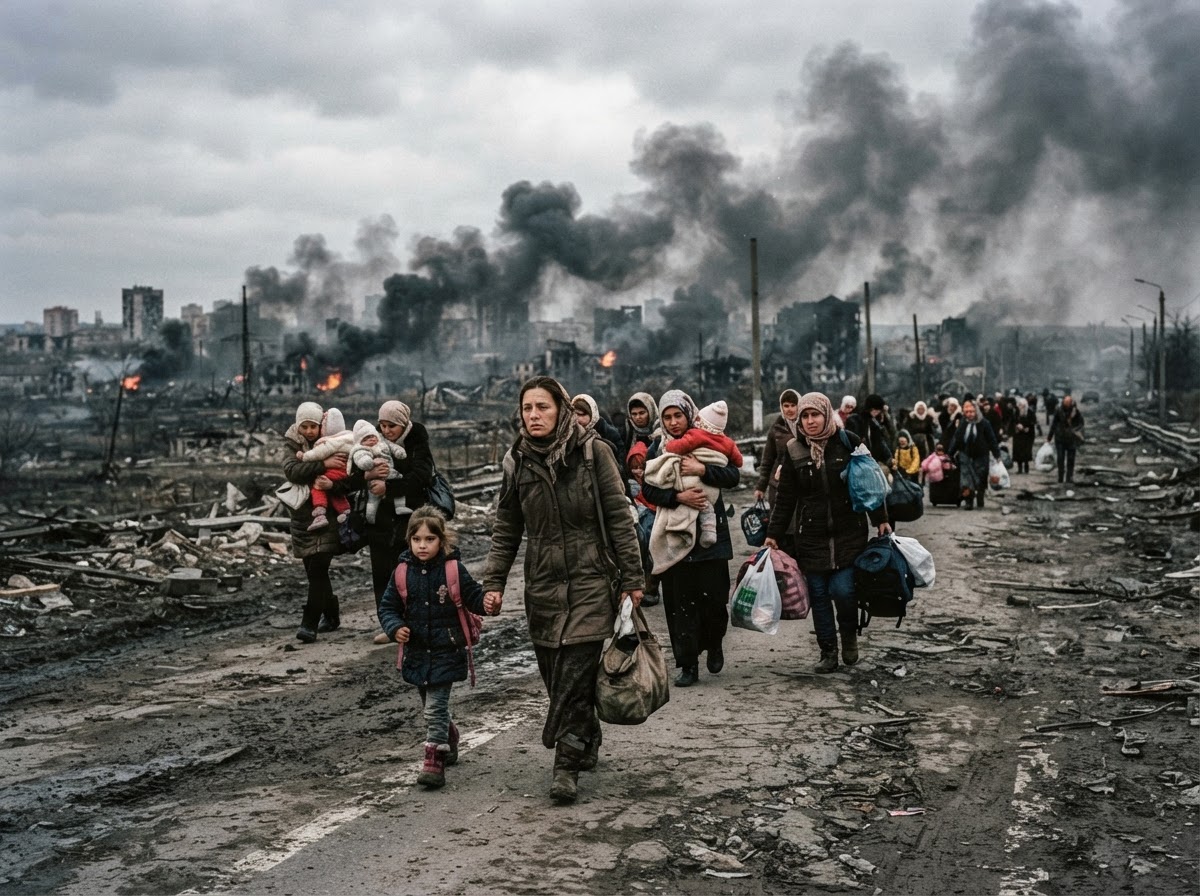
Less than three weeks into the Putin regime's invasion of Ukraine, millions of people had been forced to flee their homes, and thousands had been killed, including many children.
I don't know how this war will end, only that it has already caused tremendous suffering. I hope there is some way forward other than more suffering, but I don't know what it is. What I do know is that no war will crush Ukrainian identity or language.
A Future Chosen by Ukraine
“Ukraine became Ukraine by never giving up on fighting for its freedom.”
A young Ukrainian described it this way: “Ukraine became Ukraine by never giving up on fighting for its freedom.”
This war is not about East versus West. It is about the right of Ukraine and its people to exist in freedom and independence. Putin doesn't believe Ukraine has that right, but he is mistaken.
Ukraine doesn't need to be a Russia-friendly country or a Europe-friendly country. It should be able to be its own country, to make its own choices, secure in the knowledge that its borders and sovereignty are protected. I believe that day will come, but I fear for every day until it does.
More from the Front
 Modern Conflict
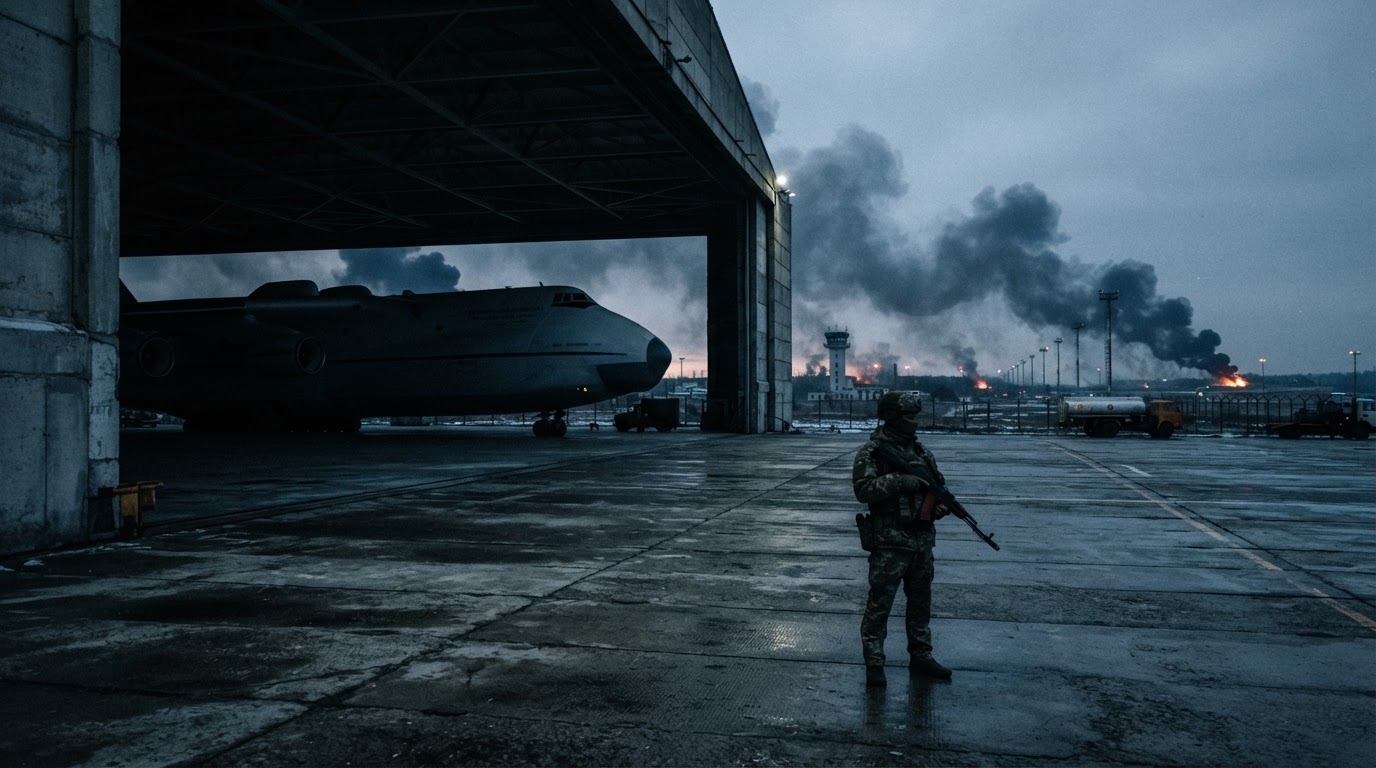
Hostomel Airport and the Battle for Kyiv — Part 1: Why Russia Chose Hostomel
On February 24, 2022, an unassuming cargo airport on the outskirts of Kyiv became the single most important place in Ukraine. From the An-225 to a 300-man garrison, here is how the assault on Kyiv was meant to unfold.
 Modern Conflict
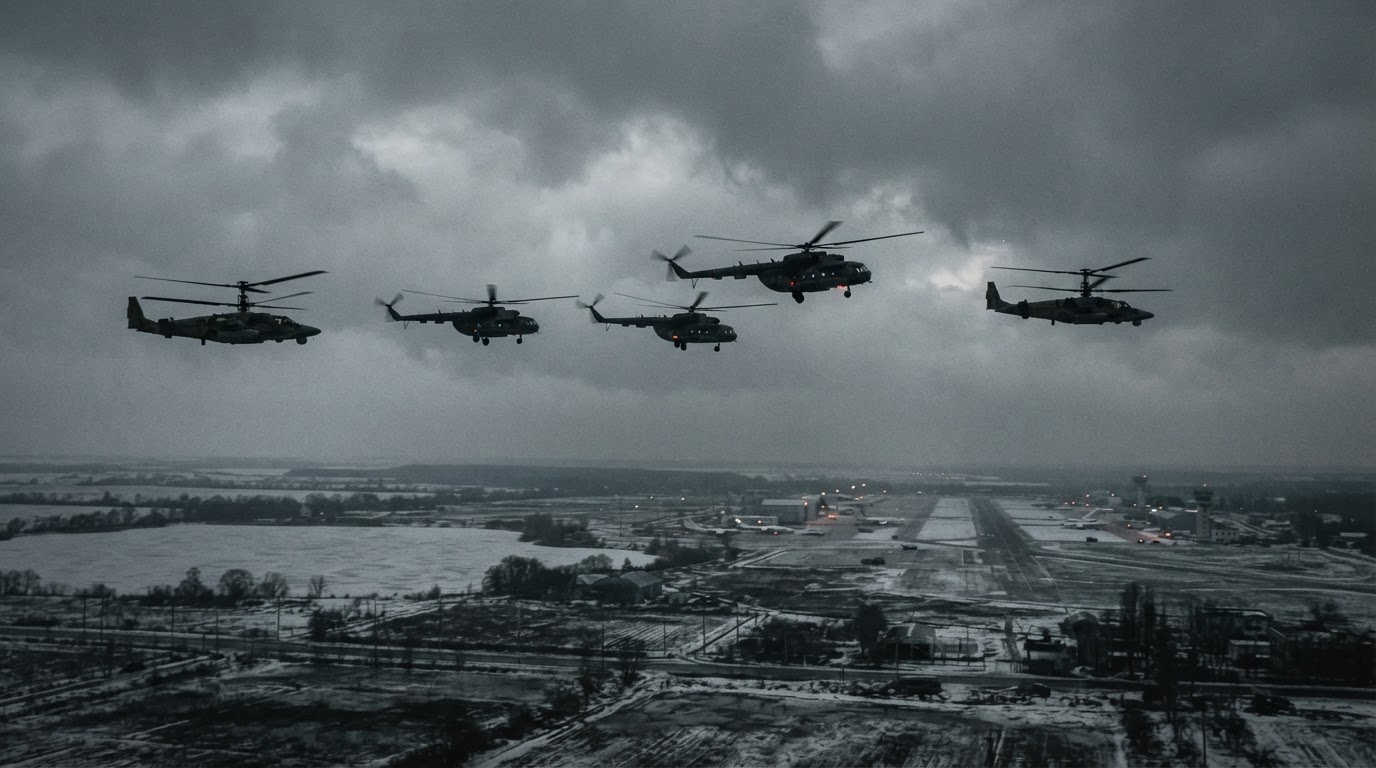
Hostomel Airport and the Battle for Kyiv — Part 2: How Ukraine Disrupted the Assault
On February 24, 2022, Russia's plan to airlift a strike force into Kyiv hinged on one cargo airport. A 300-man garrison, a backup plan from US intelligence, and a counterattack at dawn turned the Battle of Hostomel into the first decisive Ukrainian victory of the war.
 Military Tech
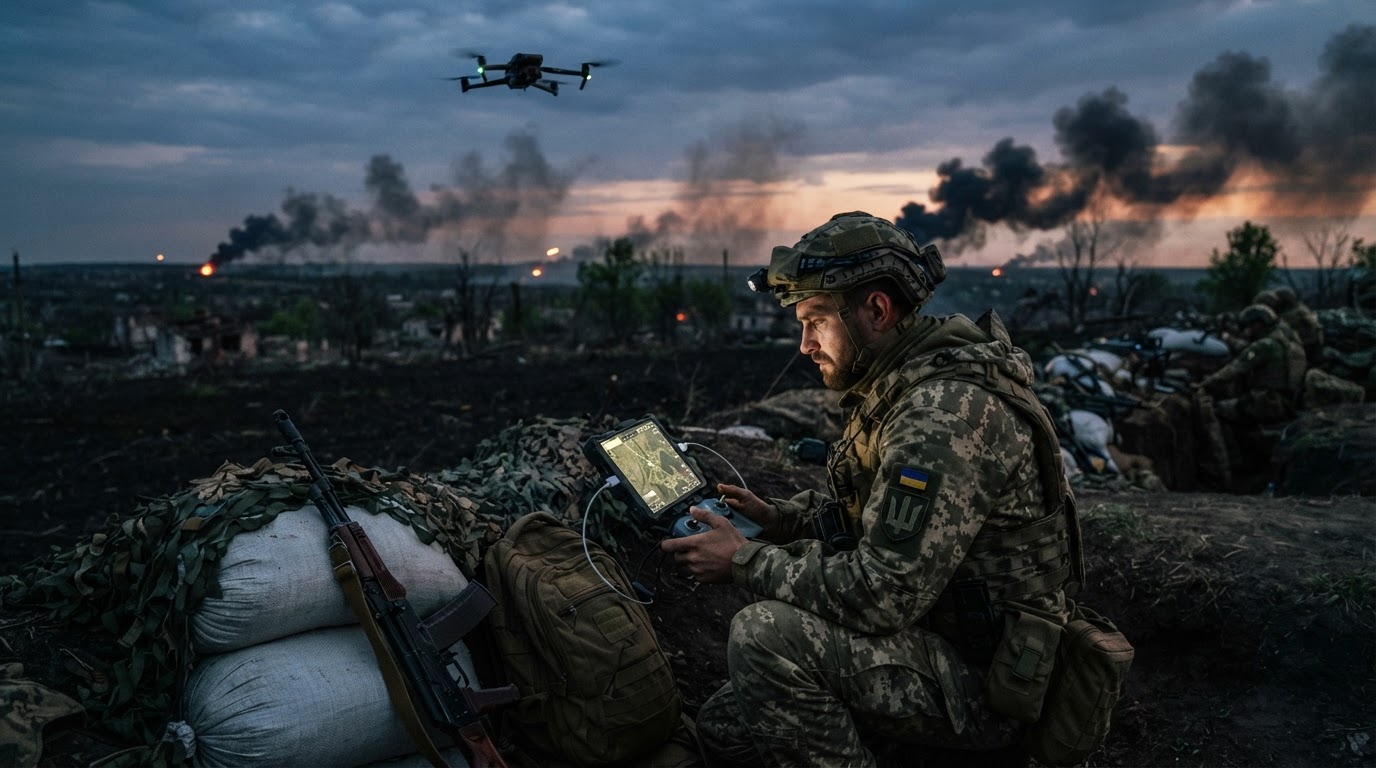
Air Power in the War in Ukraine — Part 1: How Drones and Glide Bombs Changed the War
From the era of the Reaper to industrial-scale quadcopters and Soviet glide bombs — how cheap, clever engineering reshaped the skies over Ukraine and overturned the assumptions of modern air warfare.