
Hostomel Airport and the Battle for Kyiv — Part 2: How Ukraine Disrupted the Assault
On February 24, 2022, Russia's plan to airlift a strike force into Kyiv hinged on one cargo airport. A 300-man garrison, a backup plan from US intelligence, and a counterattack at dawn turned the Battle of Hostomel into the first decisive Ukrainian victory of the war.
On February 24th, 2022, Russia launched an assault on Hostomel Airport to establish a forward operating base near Kyiv. At 4:30 AM Ukrainian time, Putin announced that a special military operation had begun. The plan was to capture the airport, fly in troops and equipment, and use that foothold to attack the capital. Early on, it seemed that simple.
The Helicopter Assault
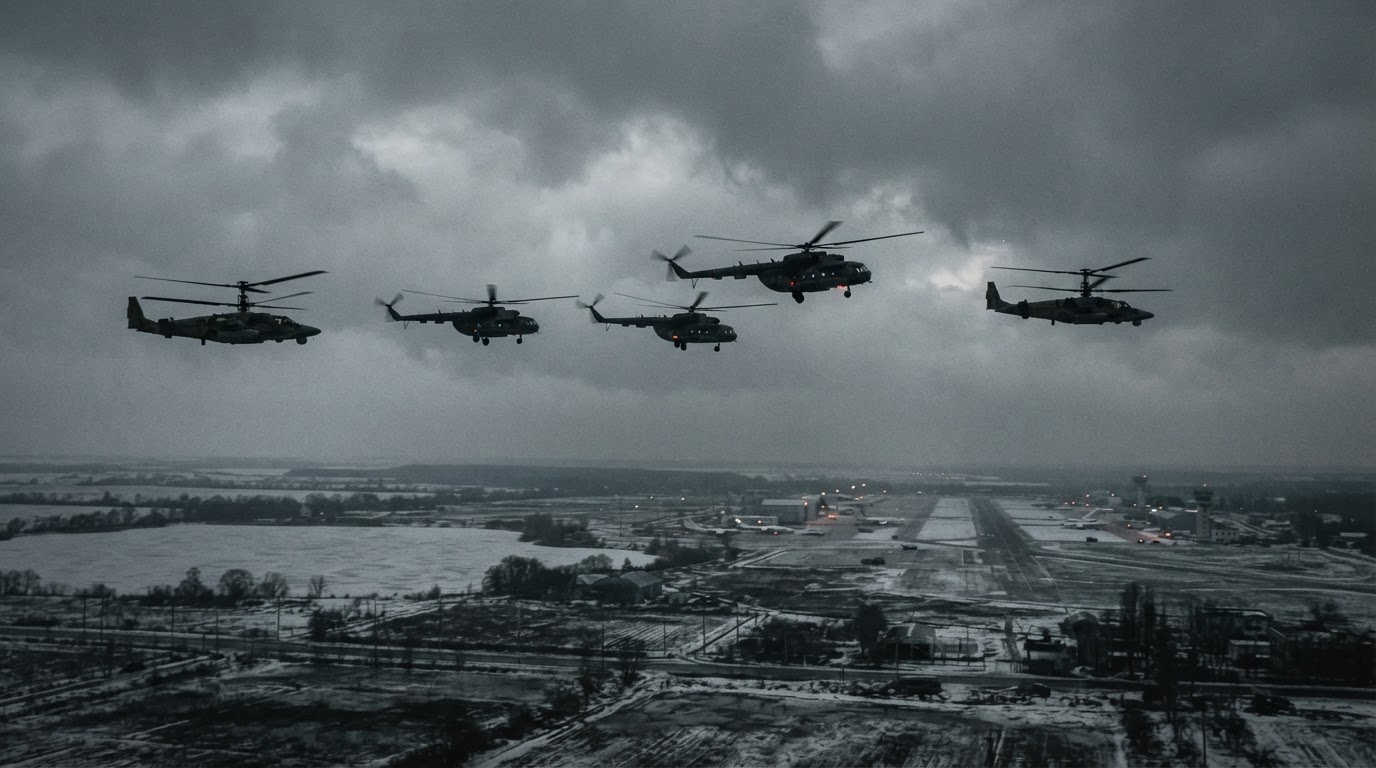
Three and a half hours after Putin's announcement, or 8:00 AM in Hostomel, a group of Mi-8 transport helicopters with hundreds of Russian troops aboard approached the airport. Ka-52 attack helicopters provided support, aiming to soften the target to allow for a safe deployment of the ground forces.
Ukraine tried to fight back, but this was a new experience. The separatists in the Donbas have no air force. It was all about trench warfare, World War I style. Thus, Ukrainian troops were not accustomed to fighting an opponent in the skies.
To make matters worse, Russia apparently knew where Ukraine's airport defense systems were located and struck them ahead of time. Afterward, Ukraine would blame a treasonous airport employee for relaying that information to Moscow. Ukraine had, however, fortuitously moved around some of the systems, preventing Russia from hitting all of them. And Ukraine showed some ability to fight back by downing at least one of the Ka-52s.
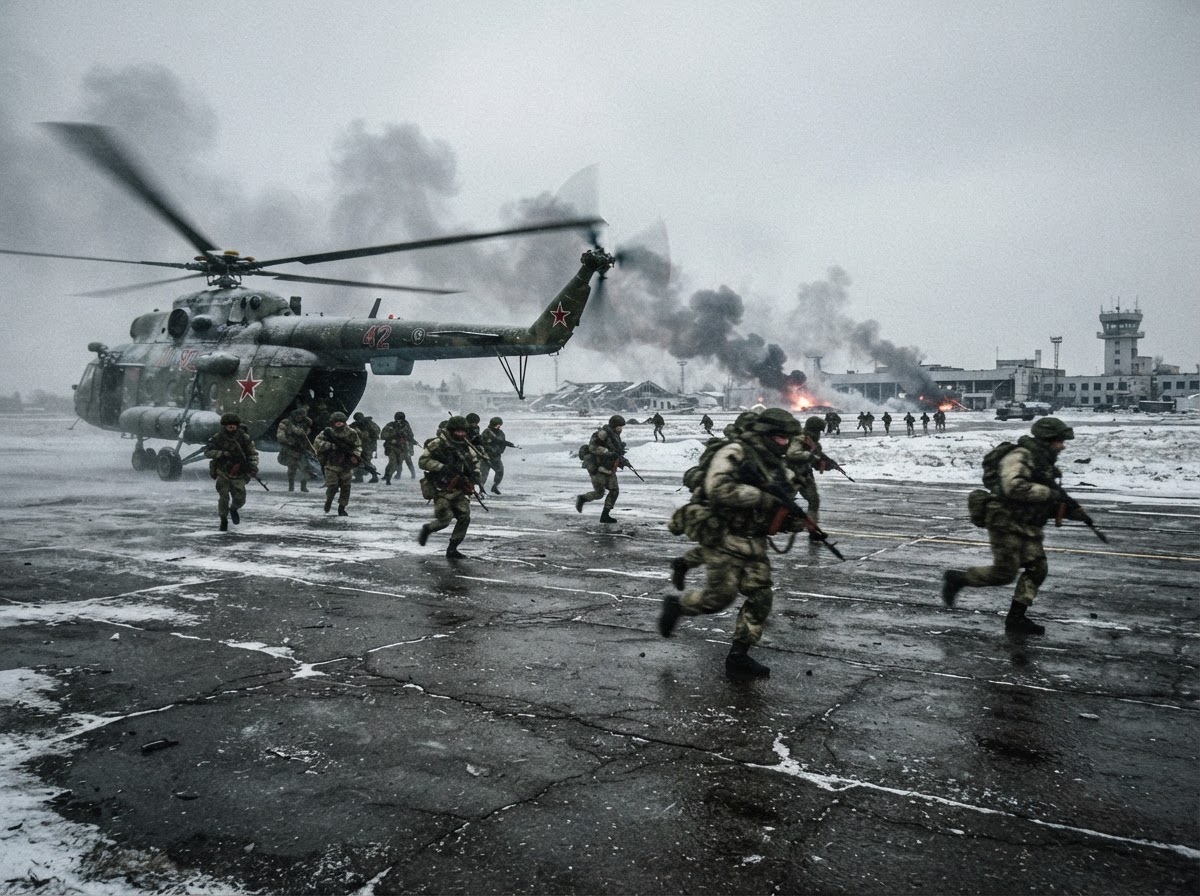
Overall, though, Russia's movements were slowed, not stopped. Three hours into the battle, the Mi-8 helicopters deployed their paratroopers and began the ground assault. Ukraine's 300 National Guard soldiers were no match for a combined air and ground operation. Running out of ammunition, Ukraine chose to retreat. Russia took control of the airport.
The Reinforcements Russia Expected to Fly In
If this were the end of the story, it would also be the end of modern Ukraine. We may never know exactly what Russia planned to fly in, but the common belief is that 18 Ilyushin Il-76 planes were headed from Russia and preparing to land at Hostomel. Since its first flight in 1971, the Il-76 became a workhorse for the Soviet military. Undoubtedly, the fleet of 18 of them held countless Russian soldiers and weapons. Once landed in Hostomel, they would set their sights on Kyiv with a very high chance of success.
What Russia intended to do once there remains ambiguous. Hold the city hostage until Ukraine released its eastern regions to Russia? That seems more likely. Do that and replace Zelensky with a puppet government? Possibly. Or fulfill that Peter the Great fantasy and outright annex the entire country? That'd be hard to do without facing a massive insurgency, but maybe. Whatever the answer, the loss of the airport would mean that Ukraine as we know it would have ceased to exist.
The Intelligence Warning and the Backup Plan
But Ukraine had a backup plan. In January 2022, US intelligence was convinced that Russia was going to invade. CIA Director William Burns went to Kyiv to inform Zelensky about the gravity of the situation. He also brought information about Russia's battle plans.
We don't know how the CIA acquired this information, but suffice it to say that the US's $50 billion per year black budget for intelligence buys a lot of information. And all signs pointed toward the same place, Hostomel Airport. Thus, though Ukraine only had 300 National Guard soldiers actively defending the facility, there was a backup plan.
That was bad news for the Russian troops at Hostomel. They were in a precarious position. The mission began with helicopters inserting them deep behind enemy lines. And because the soldiers were dropped in, they were without the armored vehicles that they would want to use to protect themselves over the long term.
Rather than soften up the Ukrainian targets with days of aerial bombings and cruise missile strikes, like the U.S. has done before its recent invasions, Russia committed to the ground invasion from day one. The whole operation was predicated on Ukraine quickly folding, but that was the Russian philosophy more generally heading into the war. Moscow thought that Ukraine's government was unpopular, that many Ukrainians would actively side with Russia, and that others would not care enough to resist. That assessment was wrong.
The Ukrainian Counterattack
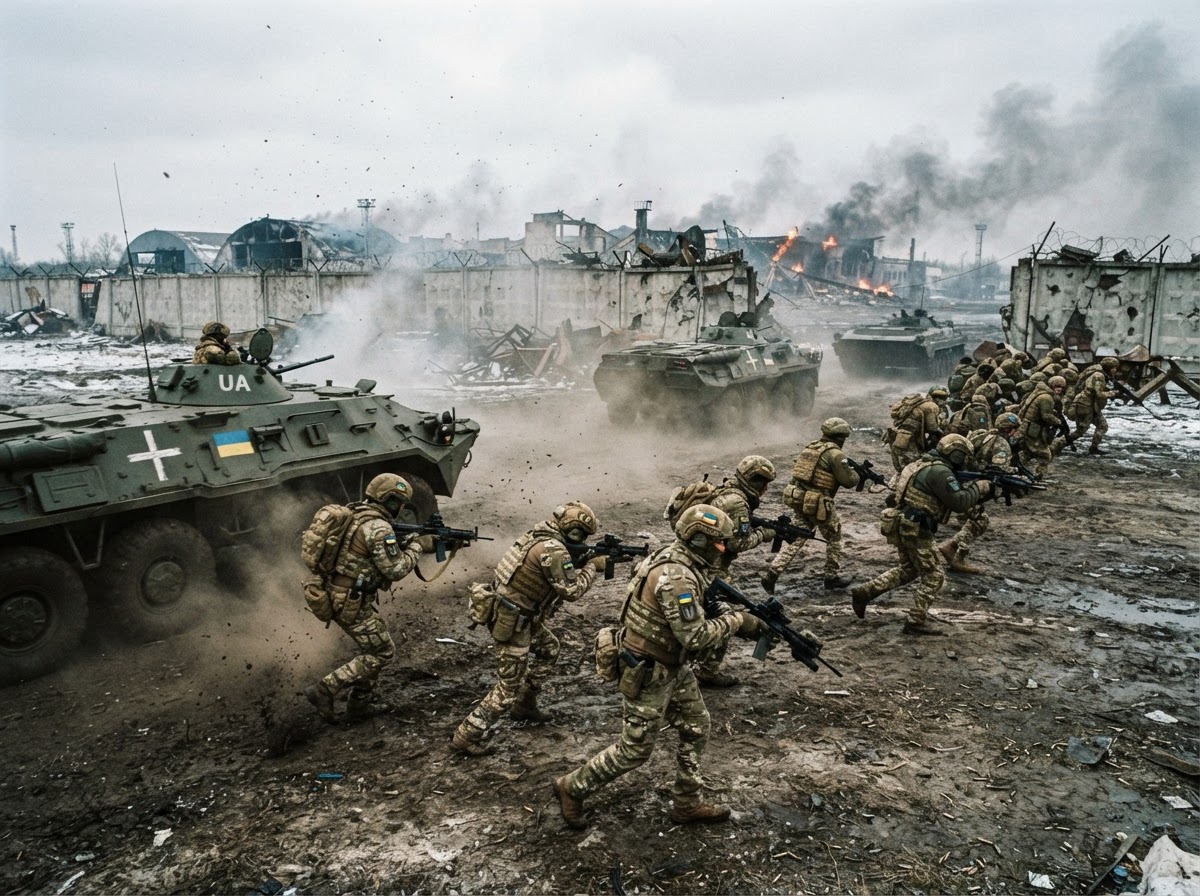
With the clock ticking due to the Il-76s, Ukrainian Commander-in-Chief of the Armed Forces, Valerii Zaluzhnyi, sent in the cavalry. This included Ukrainian special forces, a mechanized brigade, a rapid-reaction brigade, and the Georgian Legion, founded in 2014 by Georgians looking to settle the score with Russia after the 2008 summer war. Additional support came from Ukrainian artillery, which now pointed at the airport. Meanwhile, the Ukrainian Air Force scrambled to counteract Russian aircraft that might harass Ukraine's ground forces.
The push began with paratroopers approaching the airport from the west. The airport's walls prevented them from gaining quick entry, and those that made it over were immediately pinned down by Russian gunfire. It briefly looked like the counterattack would fail. But shortly thereafter, two more units arrived, one coming from the north and the other coming from the southeast. Under these conditions, the Il-76s could not land, guaranteeing that the force ratio would remain favorable to Ukraine in the short run.
Overwhelmed and lacking cover, Russian troops had no choice but to retreat to the woods around the airport. According to a Russian logbook recovered by The New York Times, up to 300 of the Russian paratroopers died in the battle. And by the time February 24th had ended, Ukraine was back in control of the airport.
Russia Retakes a Ruined Airport
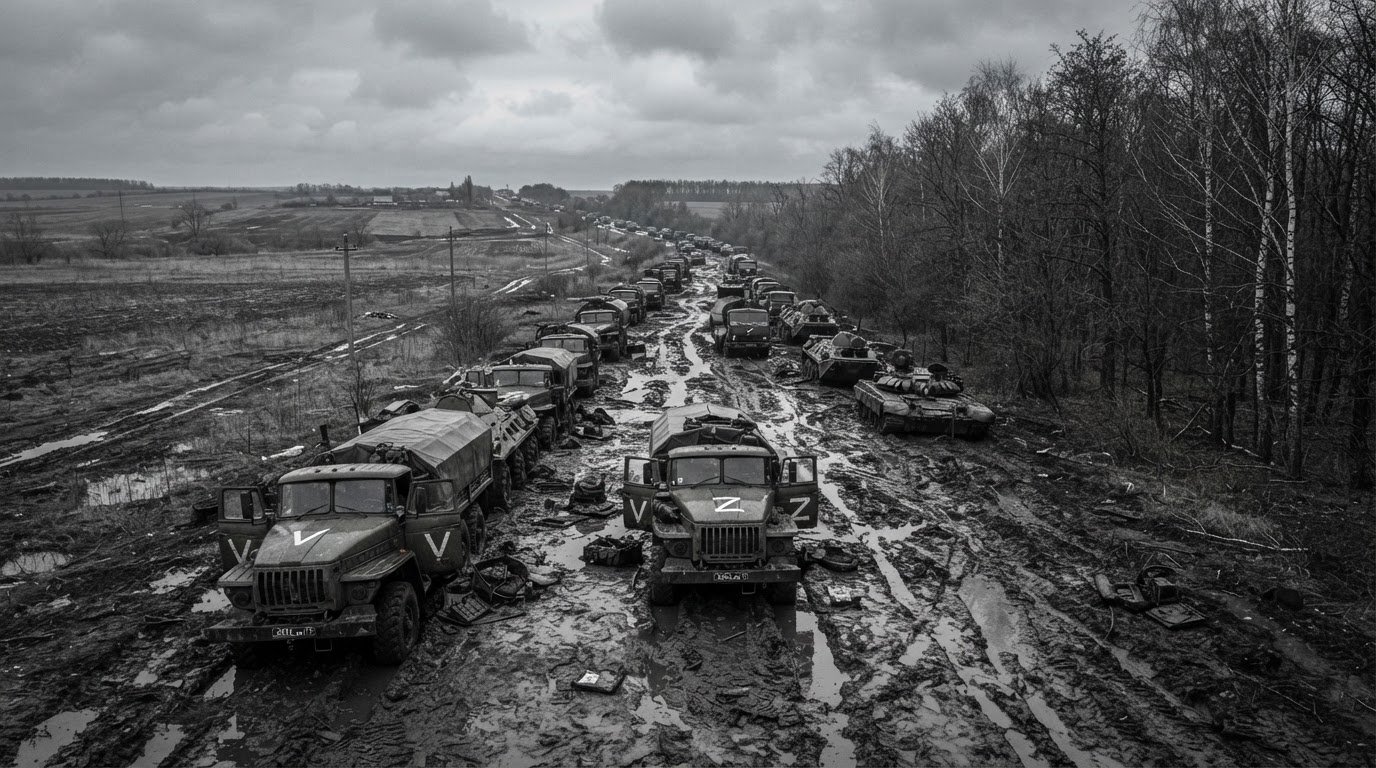
The Ukrainian success was temporary. The next day, a Russian column coming from Belarus and going through Chernobyl reached Hostomel. This was the prelude of what the world would eventually come to know as the infamous Kyiv convoy. And although the convoy would eventually become a punchline, this was still only 24 hours into the war. All of the convoy's logistical failures were not yet present. As a result, the force ratio swung back into Russia's favor. This time, Ukraine lacked an effective reply. With no better alternative, the Ukrainian troops retreated. Hostomel Airport fell back into the hands of Russia, and this time, it was for the remainder of the first phase of the war.
However, airport might not be the right word. The direct engagements, Ukrainian airstrikes, Ukrainian artillery, and whatever sabotage operations Ukrainian soldiers may have engaged in overnight had rendered the runway unusable.
Russia won the fight but failed to accomplish its main objective, to secure an immediate air bridge to Kyiv. Russian soldiers would begin clearing debris and repairing the runway once the installation was secured. But by the time that was completed, the main danger to Ukraine had passed. Ukraine may have lost the battle, but in doing so, it left open a chance for it to win the war.
The Failed Advance on Kyiv
The next day, Russia would try capturing another airstrip, albeit a shorter one, further south in Vasylkiv. That operation failed, and Russia would later destroy the airstrip instead. Following Russia's capture of Hostomel Airport, fighting spilled over to the remainder of the city and to the surrounding towns. By February 28th, the proper Russian convoy reached Hostomel, but Ukrainian forces kept up the pressure. The convoy did not get much further and certainly never reached its intended target of Kyiv. A month later, on March 29th, Russia announced a withdrawal from the western front, ending the existential threat to the Ukrainian state.
The Damage in Bucha and Hostomel
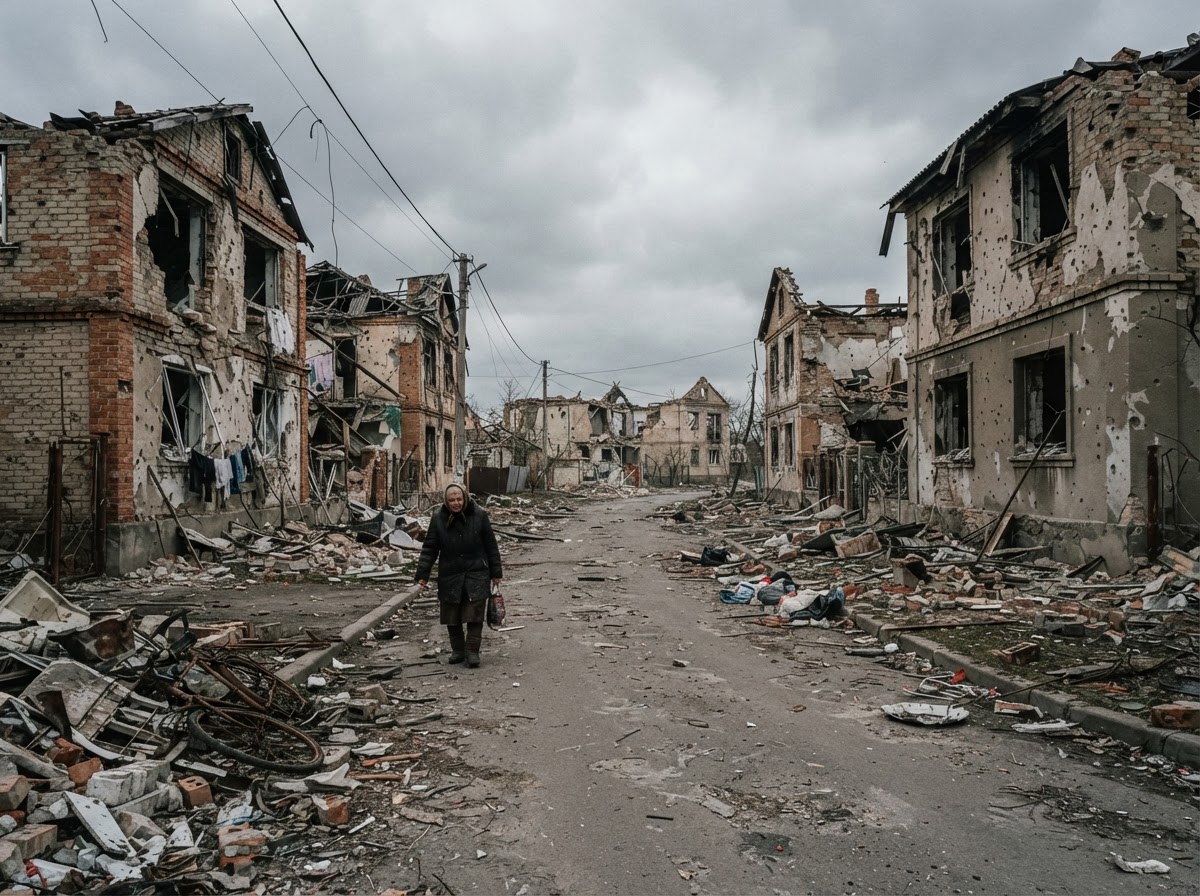
In the aftermath, evidence of war crimes surfaced in the neighboring town of Bucha. A June 2022 report from the United Nations High Commissioner for Refugees documented the unlawful killings of at least 50 civilians and further noted the destruction of at least 482 residential buildings. President Zelensky would later visit the town to survey the damage firsthand.
Meanwhile, the airport was a wreck, the result of the original battle and the constant artillery fire afterward. In the aftermath, it was unclear when it would reopen for civilian use, or whether it would reopen at all.
The Destruction of the An-225
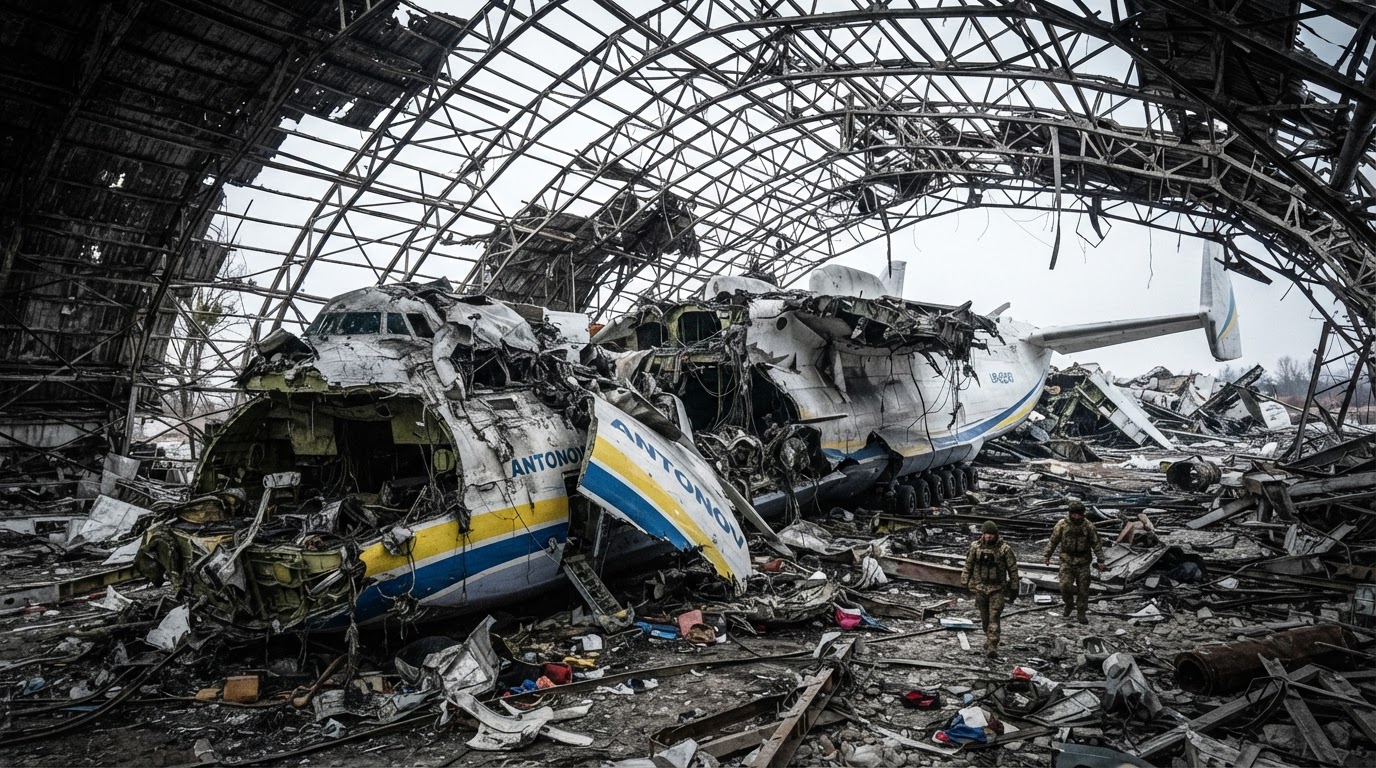
The An-225 was completely broken, just like the Soviet legacy it originated from. Six of the world's largest jet engines and 290 feet of wingspan sat in tatters, the plane's yellow and blue stripes standing out against the otherwise post-apocalyptic landscape. Both its home and the neighboring hangar containing another Antonov Airlines plane were shredded.
In May, Zelensky announced intentions to build a replacement. Antonov Airlines made a similar announcement in November. But with an estimated price tag of $500 million and no need for it to haul a Buran-class orbiter, it remained unclear whether investors would actually foot that bill. Instead, it might live on in memory as perhaps the single most expensive casualty of the war.
Continue the Series
More from this multi-part investigation. Read the parts in order for the full picture.
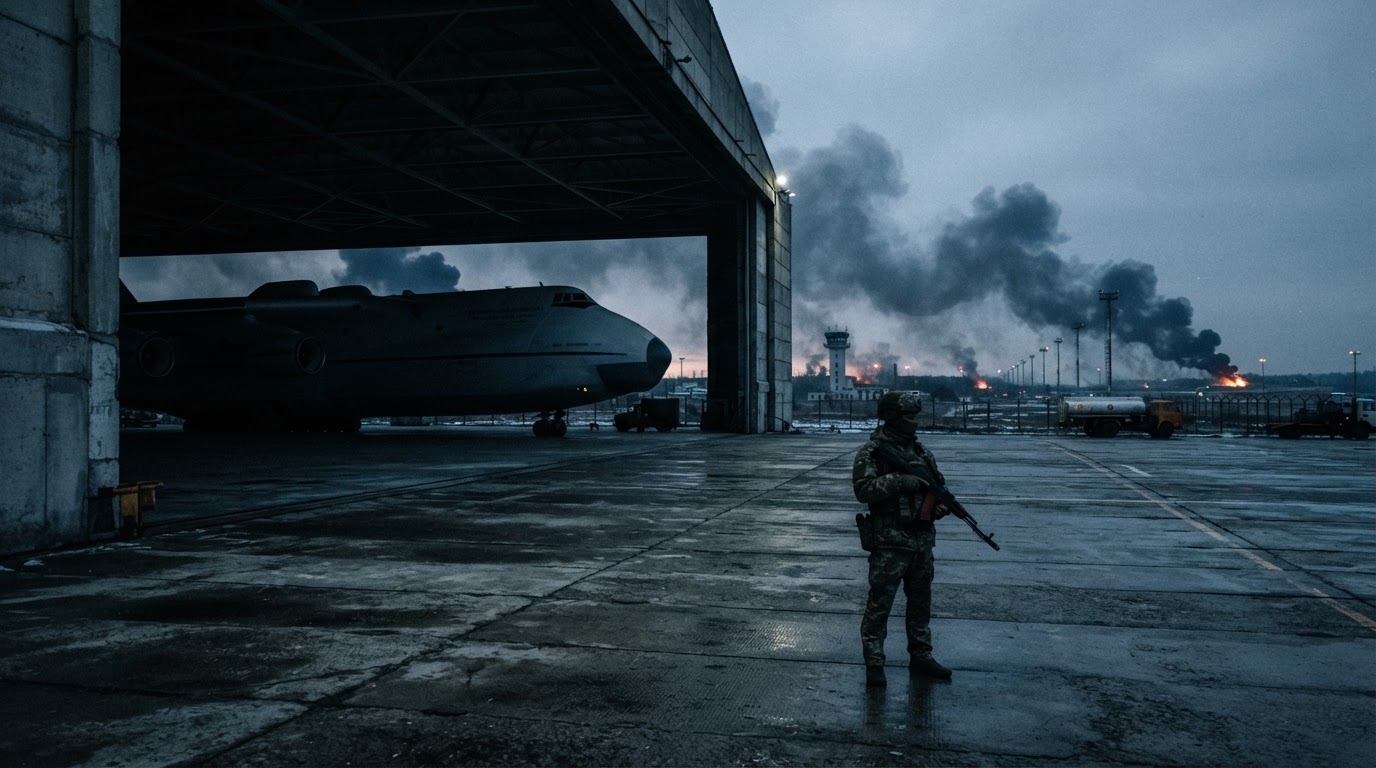
More from the Front
 Modern Conflict
Ukraine and the Long Fight for Independence
To understand the catastrophe in Ukraine, it is essential to have some historical and political context — from the Holodomor to the 2022 invasion, a century-long struggle for sovereignty.
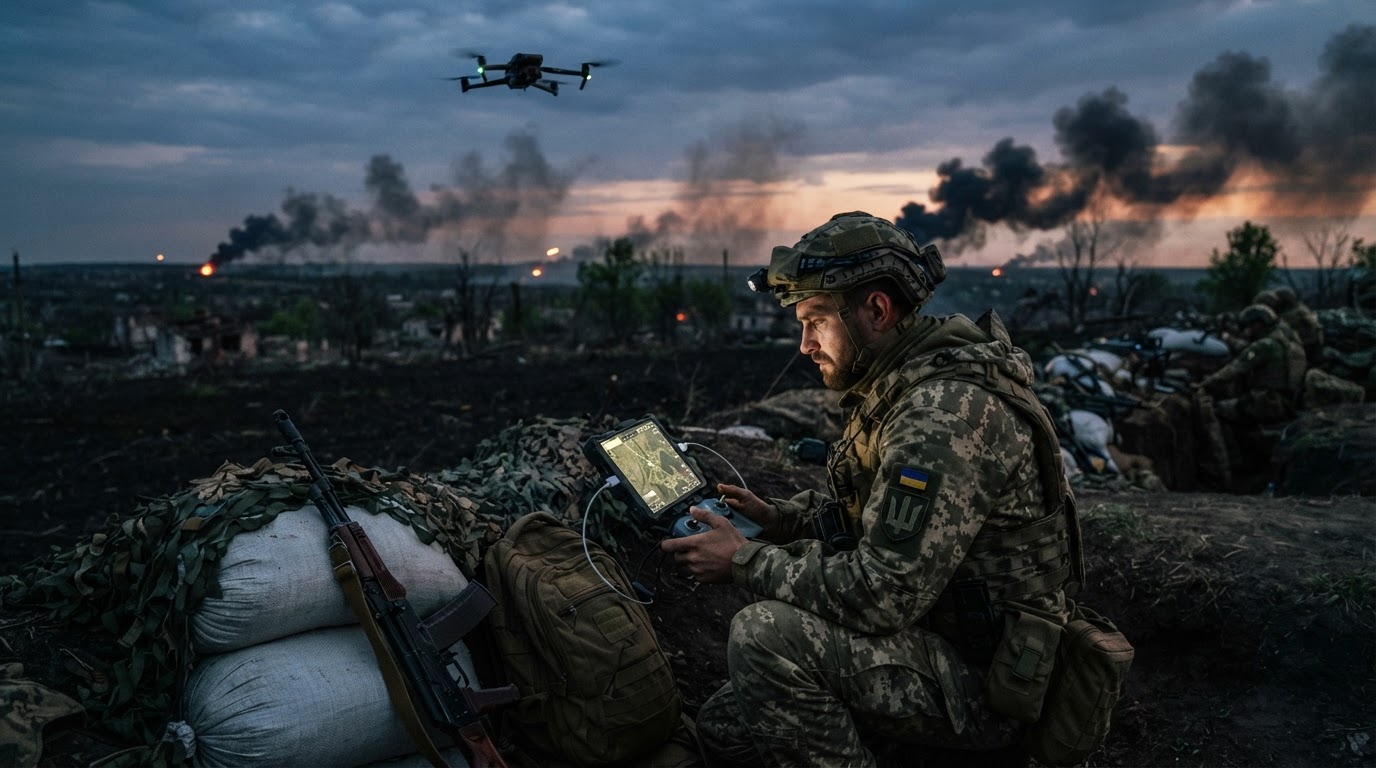 Military Tech
Air Power in the War in Ukraine — Part 1: How Drones and Glide Bombs Changed the War
From the era of the Reaper to industrial-scale quadcopters and Soviet glide bombs — how cheap, clever engineering reshaped the skies over Ukraine and overturned the assumptions of modern air warfare.
 Military Tech
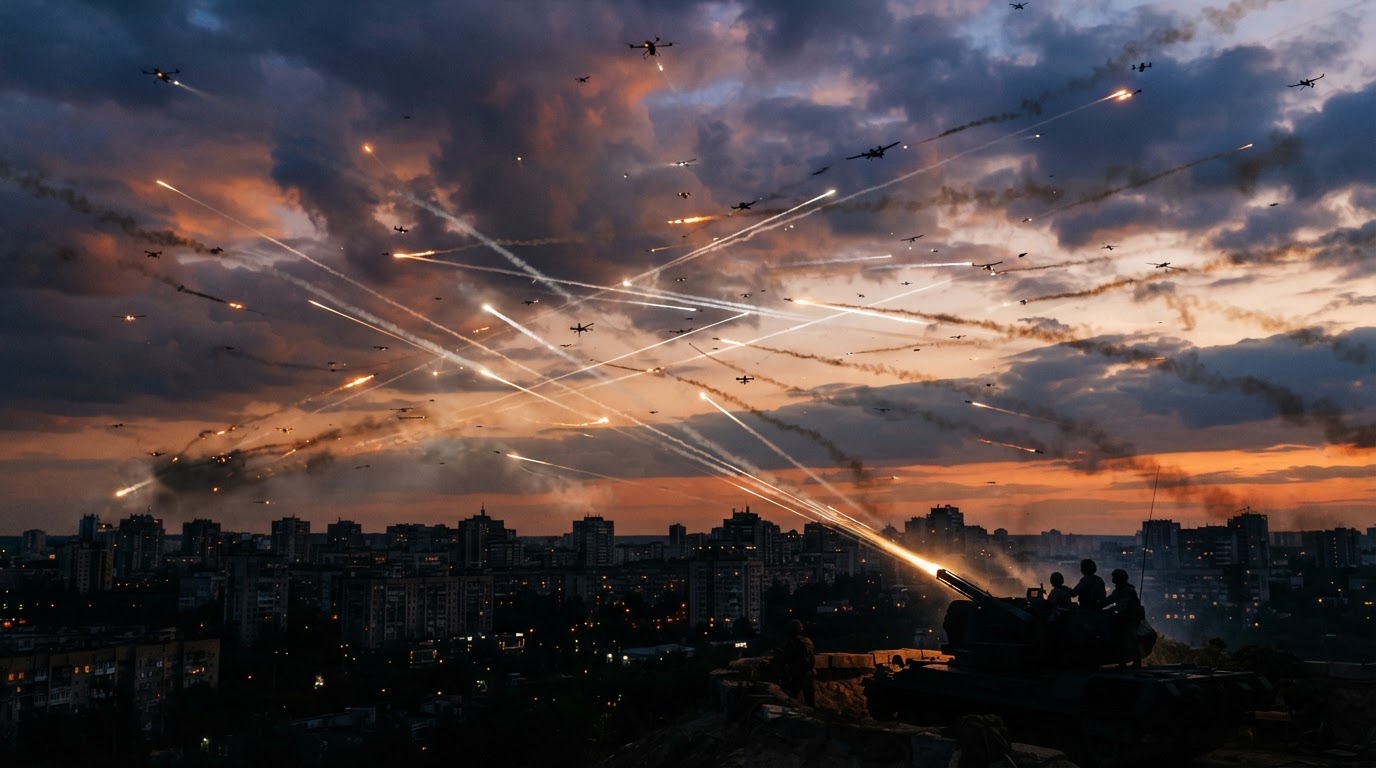
Air Power in the War in Ukraine — Part 2: How Ukraine Defends Its Skies and Carries the Air War Into Russia
From cell-phone Shahed detection networks to strikes on Russian oil refineries and Wildberries warehouses — how Ukraine turned cheap drones into a strategic campaign that reached deep inside Russia.